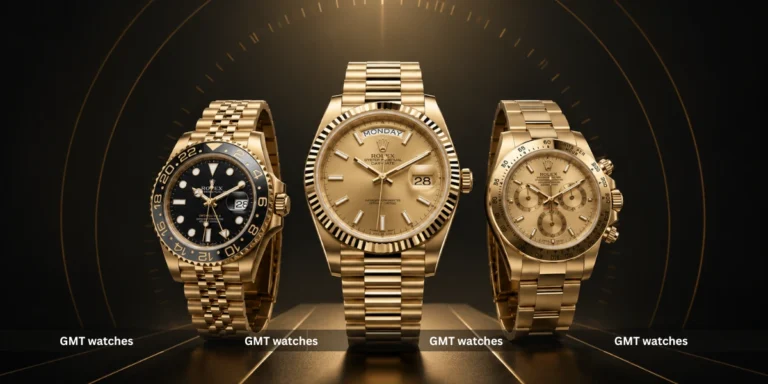
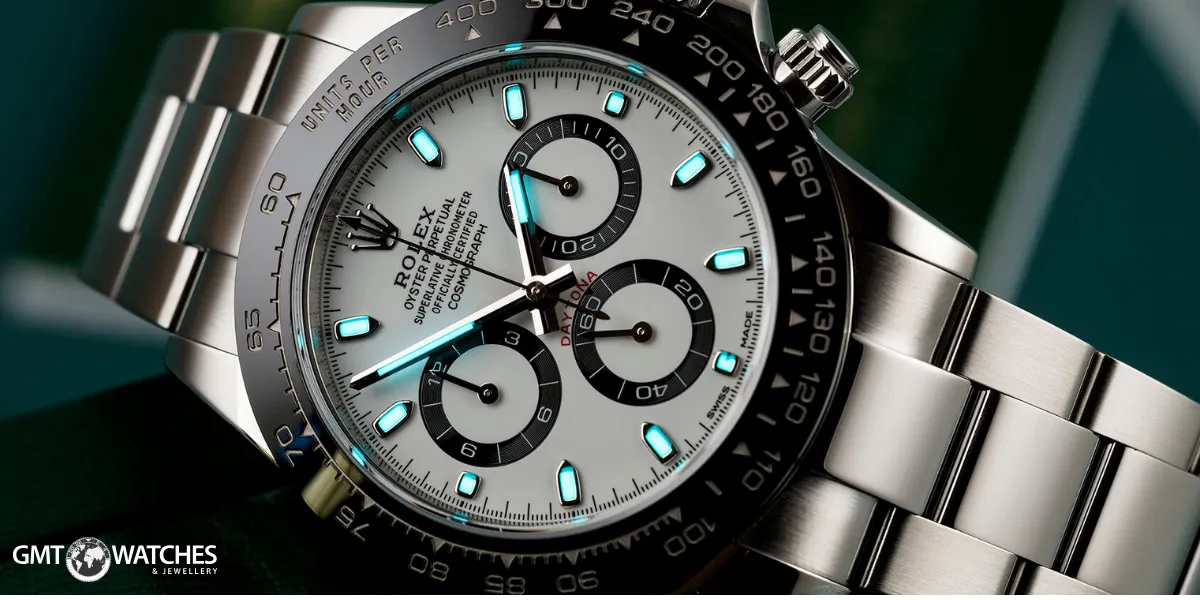
The Rolex Daytona is expensive because it combines luxury materials, advanced in-house movements, exclusive production, and strong collector demand. Limited availability creates long waitlists and drives up resale prices, making the Daytona both a status symbol and a high-value investment.
| Celebrity | Profession | Notable Ballon Bleu Reference / Size | Why They Wear It? |
|---|---|---|---|
| Kate Middleton, Princess of Wales | Royal / Public Figure | Ballon Bleu 33 mm | Classic, understated, pairs well with formal outfits. |
| Johnny Depp | Actor | Ballon Bleu 42 mm | Vintage aesthetic matched with his eclectic style. |
| Sofía Vergara | Actress | Ballon Bleu 36 mm | Bold yet elegant design suits red-carpet looks. |
| Penélope Cruz | Actress | Ballon Bleu 33 mm | Prefers timeless European luxury pieces. |
| Anne Hathaway | Actress | Ballon Bleu 33 mm | Chic, minimal, and feminine style fit. |
| Jennifer Aniston | Actress | Ballon Bleu 36 mm | Casual luxury aesthetic. |
| Duchess Camilla (Queen Camilla) | Royal | Ballon Bleu 36 mm | Traditional and refined. |
| Meghan Markle | Actress / Public Figure | Ballon Bleu 33 mm | Inherits and wears Princess Diana’s piece. |
| Djimon Hounsou | Actor | Ballon Bleu 42 mm | Works well with formal menswear. |
| Lily Collins | Actress | Ballon Bleu 33 mm | Fits her vintage-inspired fashion sense. |
Key Takeaways: Why the Daytona Costs So Much?
- ▶ Premium materials like Oystersteel, gold, and platinum increase manufacturing costs.
- ▶ High-precision movement (Caliber 4130) enhances performance and reliability.
- ▶ Limited production keeps the Daytona rare and highly desirable.
- ▶ Massive collector demand drives resale prices far above retail.
- ▶ Iconic racing heritage and celebrity influence add luxury status.
- ▶ Strong investment value — many models appreciate over time.


What Makes the Rolex Daytona So Special?
The Rolex Daytona’s allure begins with its storied past. Introduced in 1963 as the Cosmograph Reference 6239, it was designed for professional race car drivers, featuring a tachymetric scale on the bezel to measure speed. Named after the Daytona International Speedway in Florida, it quickly became synonymous with motorsport excellence.
Its connection to racing prestige elevated it beyond a mere tool watch. Rolex sponsored events like the 24 Hours of Daytona, embedding the model in high-octane culture. Then came the celebrity influence: Actor Paul Newman wore a rare “exotic dial” Daytona in the 1969 film “Winning”, sparking the “Paul Newman Daytona” craze. His personal watch sold for a record $17.8 million at auction in 2017, cementing its iconic status among collectors and enthusiasts.
High-End Materials That Increase Value
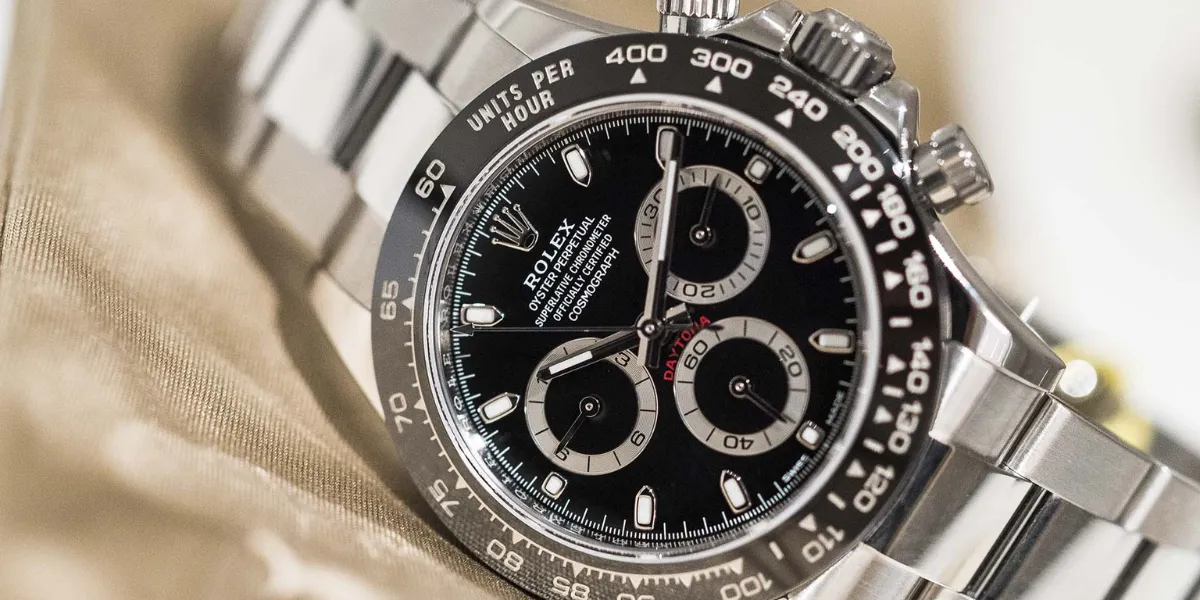
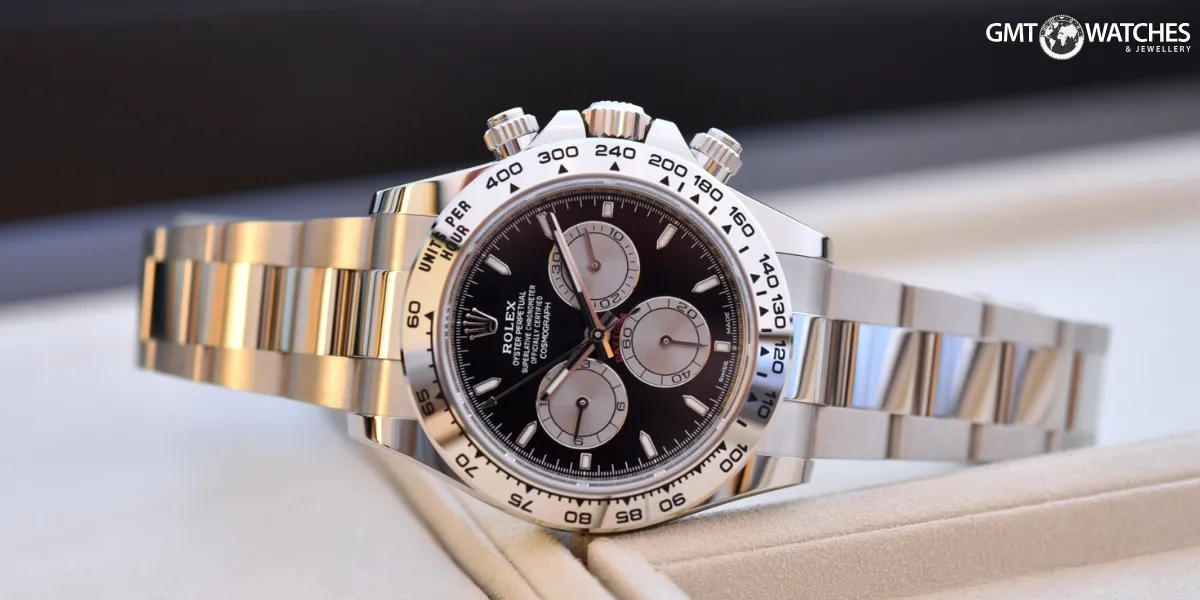
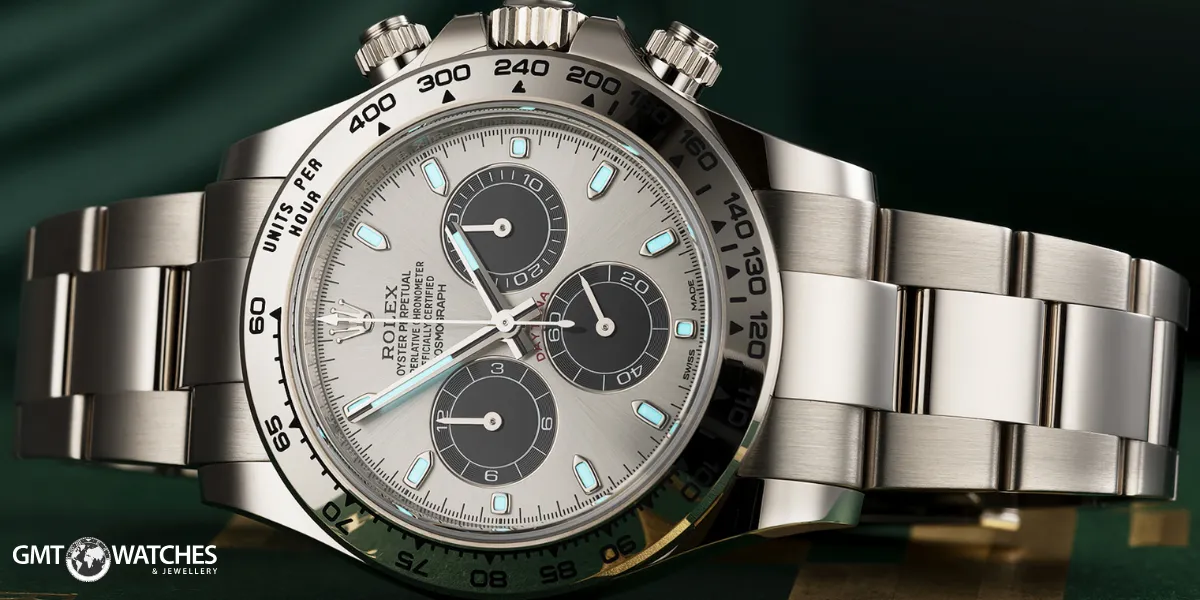
Rolex spares no expense on materials, contributing significantly to the Daytona’s cost. The case is crafted from Oystersteel—a superalloy resistant to corrosion—or luxurious options like 18k yellow, white, or Everose gold, and even platinum for top-tier models.
The bezel features Cerachrom, a ceramic material developed in-house that’s virtually scratch-proof and fade-resistant, maintaining its luster over decades. The crystal is sapphire, engineered to be shatter-resistant and anti-reflective. These premium components not only enhance durability but also justify the markup, as sourcing and processing them demands precision and rarity.


Precision Engineering and In-House Movements
At the heart of every modern Rolex Daytona beats the Caliber 4130, a chronograph movement entirely designed and manufactured by Rolex. Introduced in 2000, it revolutionized the lineup with fewer components (just 201 versus the previous 290), reducing friction and boosting reliability.
Each movement undergoes rigorous testing: first COSC (Contrôle Officiel Suisse des Chronomètres) certification for accuracy within -4/+6 seconds per day, then Rolex’s own Superlative Chronometer standards, promising -2/+2 seconds. This in-house mastery ensures unparalleled performance, explaining why the Daytona commands a premium over watches with off-the-shelf movements.
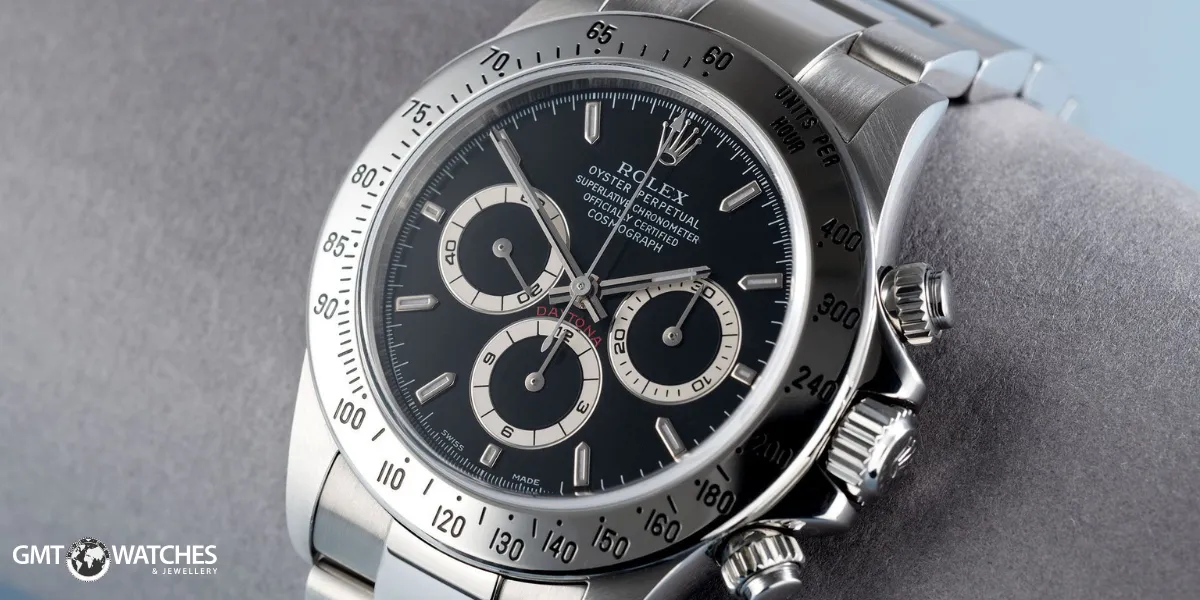
Limited Production and High Demand
Rolex employs a deliberate scarcity strategy, producing far fewer Daytonas than demand dictates. Estimates suggest only about 1 million Rolex watches are made annually across all models, with Daytonas comprising a fraction.
This leads to infamous waiting lists at authorized dealers, often spanning years for popular references. The imbalance of supply and demand fuels speculation: buyers flip new pieces for double the retail price. Rolex’s controlled output preserves exclusivity, turning the Daytona into a commodity where hype amplifies value. You Can Also Visit Our High-Quality Rolex watches in Best Prices.
Strong Investment and Resale Value
The Daytona isn’t just worn—it’s invested in. As a collector’s icon, it consistently appreciates. Secondary market prices routinely exceed retail; a steel “Panda” Daytona retailing for $15,000 might resell for $30,000+.
Auction houses like Phillips and Christie’s set records: vintage models, especially Paul Newman’s, have shattered expectations. This proven track record of ROI makes the Daytona a “blue-chip” asset in the luxury watch world, where inflation-proof returns rival stocks or real estate.


Craftsmanship and Manual Assembly
Every Daytona is hand-assembled by skilled watchmakers in Geneva, a process involving hundreds of hours per piece. From polishing the case to aligning the dial, each step includes exhaustive quality checks—Rolex inspects components under 20x magnification.
Finishing details, like the sunburst dials or engraved bezels, reflect artisanal expertise passed down generations. This labor-intensive approach, combined with zero-tolerance for imperfections, drives up production costs and ensures heirloom quality. You Can Also Visit Our Best Rolex Datejust with Best Prices.
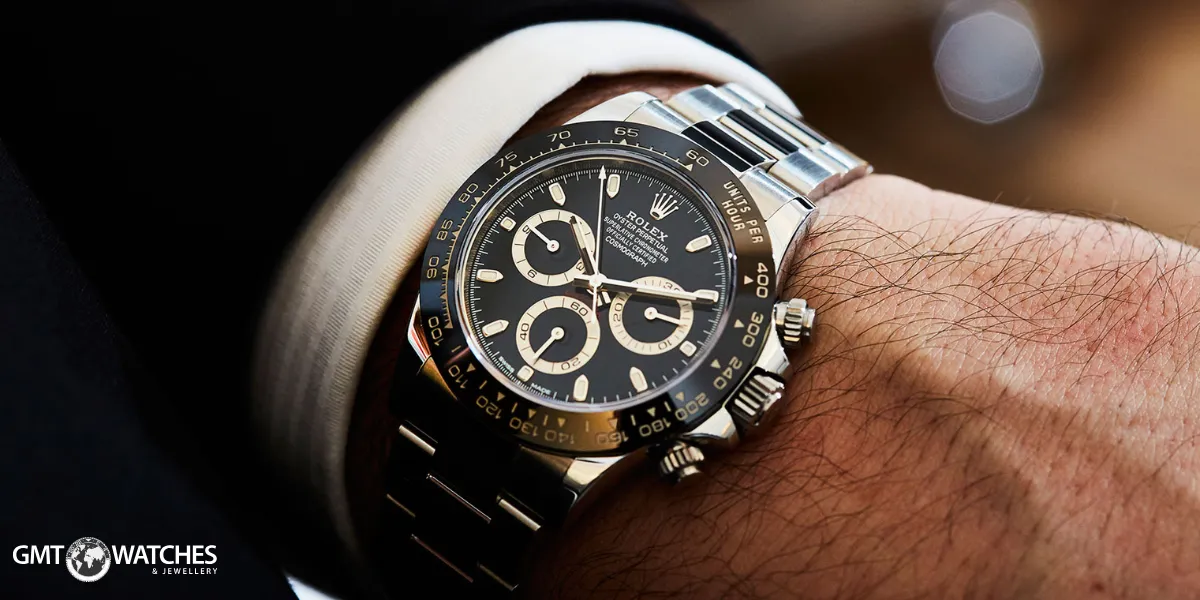
Brand Power and Cultural Status
Rolex’s century-plus heritage amplifies the Daytona’s prestige. It’s a status symbol in elite circles, worn by CEOs, athletes, and celebrities from Jay-Z to Roger Federer.
Pop culture cements its myth: featured in films like *Le Mans* and songs by rappers, it embodies success. This intangible “Rolex effect”—heritage plus exclusivity—allows premium pricing, as owning one signals entry into an exclusive club.


Which Rolex Daytona Models Are the Most Expensive?
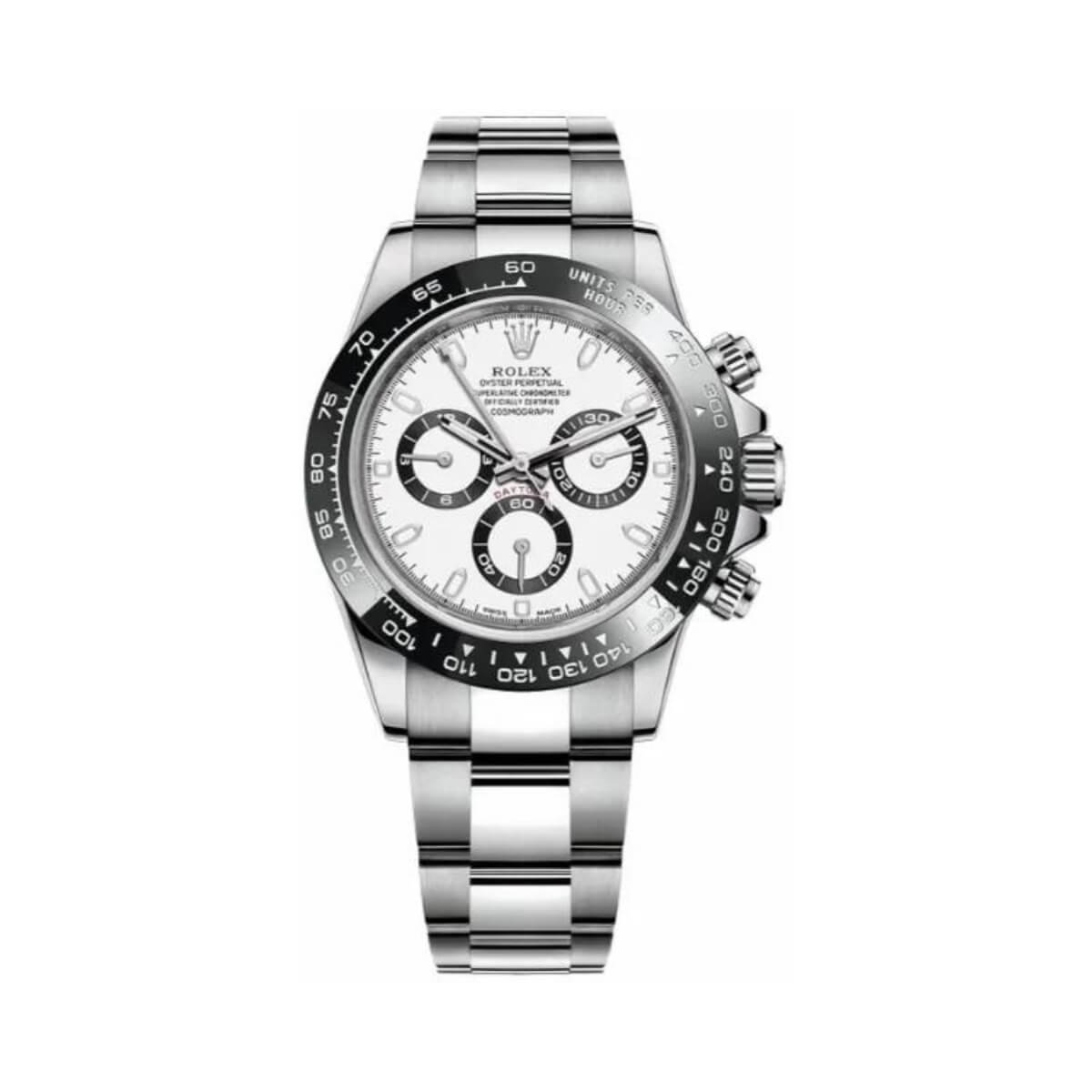
Not all Daytonas are equal. The “Panda” (Ref. 116500LN) with its black-and-white dial is a modern grail, often doubling retail on resale.
Gold and platinum editions push boundaries: a platinum Daytona with a ice-blue dial retails over $75,000 but trades higher. Vintage Paul Newman models top the list—exotic dials from the 1960s-70s have fetched $1 million+, with the aforementioned Newman record at $17.8 million highlighting their rarity.
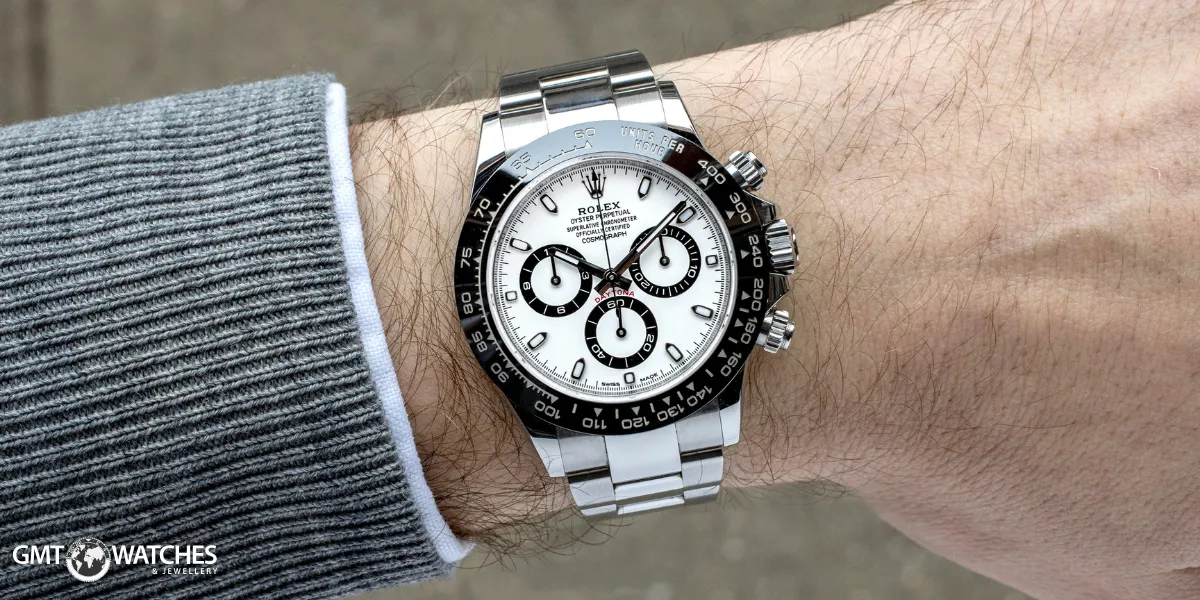
Are Rolex Daytona Prices Justified? Experts’ Perspective
Watch experts overwhelmingly say yes. The Daytona’s longevity—many 50-year-old models run flawlessly—proves its engineering superiority. Investment-wise, it outperforms many assets, with average annual returns of 5-10% for steel models.
Beyond numbers, there’s emotional value: the thrill of the chronograph, the weight on the wrist, and the craftsmanship evoke pride. As horology authority Ariel Adams notes, “You’re paying for perfection that’s built to last lifetimes.”
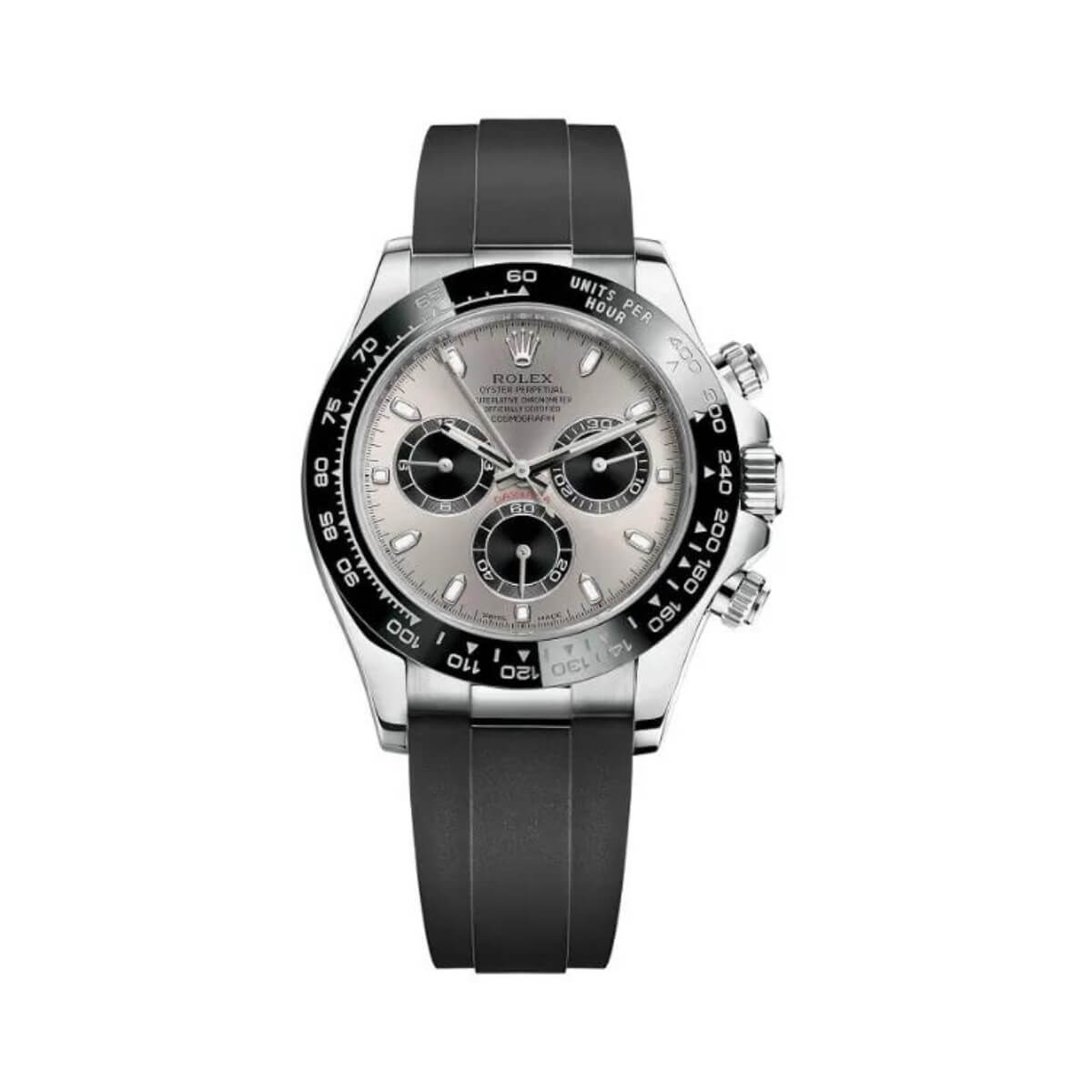


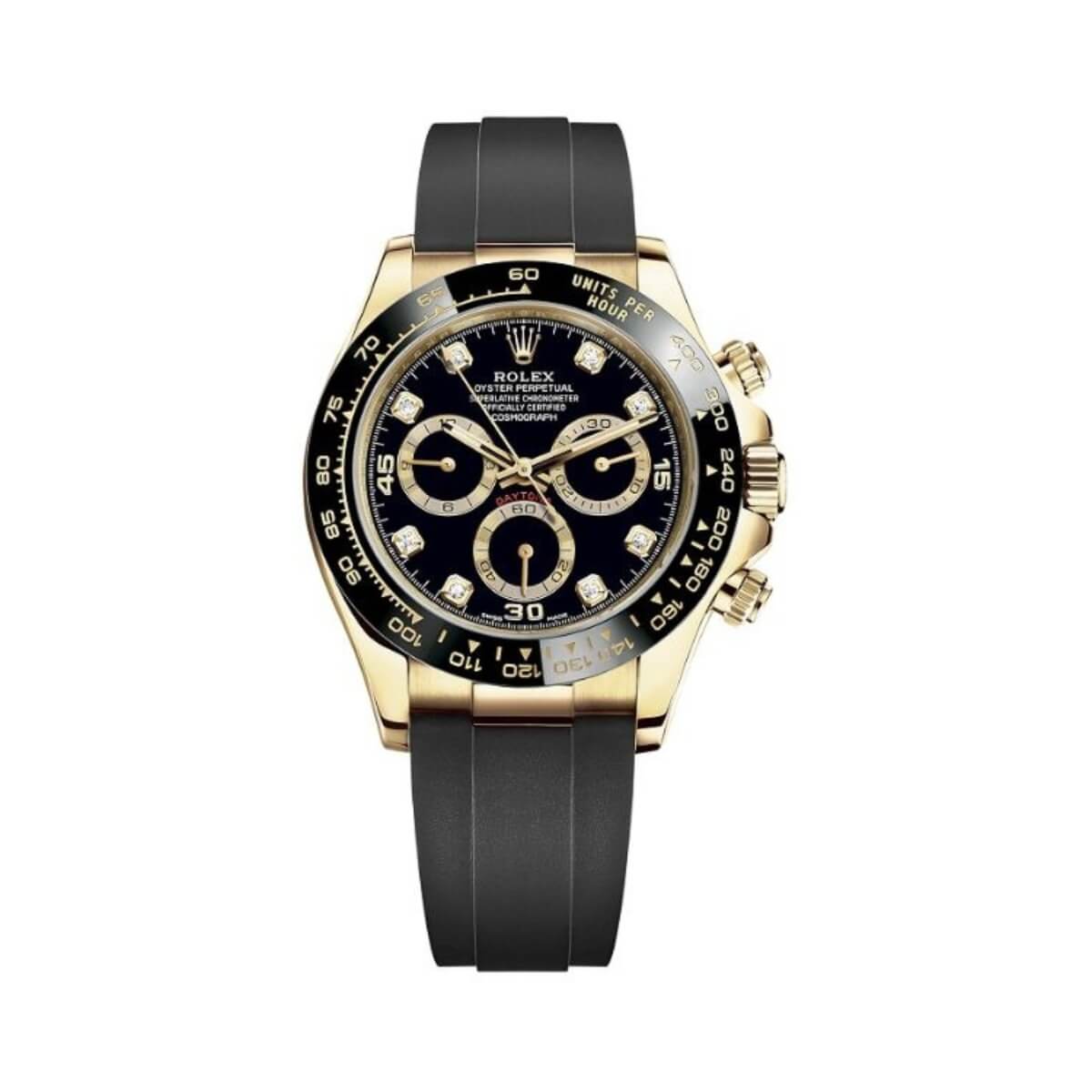
Why Rolex Daytona Dominates the Luxury Watch Market?
In summary, the Rolex Daytona’s price reflects a blend of racing history, superior materials like Cerachrom and platinum, the reliable Caliber 4130, intentional scarcity, investment potential, meticulous craftsmanship, and unmatched brand prestige. Owning a Daytona transcends timekeeping—it’s a piece of horological art, a status emblem, and a savvy investment. In a market flooded with flash-in-the-pan luxuries, the Daytona endures as the ultimate chronograph, proving that true value is timeless. If you’re considering one, remember: it’s not just a watch; it’s a legacy.
FAQ – Why Rolex Daytona so Expensive?
Related Rolex Daytona Guides