
There’s a moment that happens to a lot of people in Dubai. You’re walking through a showroom, maybe in Jumeirah or somewhere off Sheikh Zayed Road, and a Rolex catches your eye. It looks right. Clean. Polished. The price feels… not cheap, but reasonable enough to pause and think. That’s usually where things start to get a bit complicated.
Because the truth is, Rolex in Dubai doesn’t operate like people expect. It’s not a simple market where you walk in, pay, and walk out with something that automatically holds value or even makes sense long term. Some pieces are genuinely strong buys. Others just sit there, looking convincing, slowly losing relevance the moment they leave the display.
Why the Dubai Rolex Market Feels Different?
Dubai doesn’t have a shortage of Rolex watches. If anything, it has too many, and that’s where the confusion starts. Between official boutiques, grey dealers, private sellers, and marketplace listings, you’re not looking at one market. You’re looking at layers of different pricing logics stacked on top of each other.
A watch listed in one showroom might feel fairly priced, then you see something similar online for less, and then a third version appears at a higher price with a story attached to it. “Full set, rarely worn, collector-owned.” You hear that kind of language a lot here. Sometimes it’s true. Sometimes it’s just part of the presentation.
What makes Dubai different isn’t just supply. It’s how fast perception shifts. A model that was in demand six months ago can suddenly feel overexposed. Not because the watch changed, but because too many similar pieces hit the market at once.
The Illusion of “Safe” Rolex Models
There’s this idea that certain Rolex models are always safe. People mention the Submariner, the Datejust, sometimes the GMT-Master II. And yes, they are strong watches. But in Dubai, even these can become questionable buys depending on the exact configuration.
Take the Datejust for example. On paper, it’s consistent. In reality, a smooth bezel with an Oyster bracelet sits in a completely different demand bracket compared to a fluted bezel with Jubilee. One feels understated. The other leans more expressive. That difference sounds minor until you try to resell it or even just compare interest levels.
Here’s a simplified snapshot of how certain configurations behave in the current market:
| Model | Configuration | Typical Demand Level | Market Behavior |
|---|---|---|---|
| Submariner | Black dial, no date | High | Moves steadily, rarely discounted |
| Submariner Date | Black dial | Very high | Competitive pricing, sells quickly |
| Datejust 41 | Fluted bezel, Jubilee | High | Strong resale interest |
| Datejust 41 | Smooth bezel, Oyster | Medium | Slower movement, more negotiation |
| GMT-Master II | Pepsi bezel | Very high | Often priced above retail |
| Yacht-Master | Rhodium dial | Medium | Niche demand, slower turnover |
What stands out here isn’t just which models are popular. It’s how specific the demand gets. Two watches with the same name can behave completely differently depending on details most buyers overlook at first.
When Pricing Doesn’t Mean Value
Dubai pricing can feel convincing. A watch might be listed slightly below what you’ve seen elsewhere, and that alone creates a sense of urgency. But lower price doesn’t always translate to better value. In fact, sometimes it signals the opposite.
There are watches that look attractively priced because they’re harder to move. Maybe the dial color isn’t popular right now. Maybe the year is in that awkward middle zone where it’s not new enough to justify a premium, but not old enough to feel collectible. These watches don’t disappear quickly, so sellers adjust the price just enough to keep interest alive.
At the same time, some pieces are priced high and still make sense. That usually happens when demand is tight and supply is inconsistent. You’ll see this with certain GMT variants or newer Submariner references that haven’t fully stabilized in the secondary market.
A rough breakdown of pricing behavior helps put things into perspective:
| Price Positioning | What It Usually Means | Buyer Risk Level |
|---|---|---|
| Below market average | Slower-moving configuration or urgent seller | Medium to High |
| Around market average | Balanced demand and supply | Low |
| Above market average | High demand model or premium condition | Low to Medium |
| Significantly above | Speculative pricing or hype-driven | High |
The mistake people make is assuming cheaper equals smarter. In Dubai, it often just means you need to look closer.
The “Too Many Options” Problem
One thing that doesn’t get talked about enough is how overwhelming the selection can become. You start looking for a Rolex, and suddenly you’re comparing ten different listings for what feels like the same watch. Except they’re not the same, not really.
One has polished lugs that were refinished a bit too aggressively. Another comes without original papers. A third looks perfect but is priced just high enough to make you hesitate. This is where decision fatigue creeps in, and people either rush or overthink.
What usually happens next is interesting. Buyers start prioritizing the wrong details. They focus on minor cosmetic differences or small price gaps, while ignoring the bigger picture like long-term desirability or how easy it will be to move the watch later if needed.
And that’s where Dubai quietly filters buyers into two groups. Those who understand the rhythm of the market, and those who get pulled into surface-level comparisons.
Grey Market vs Boutique Reality
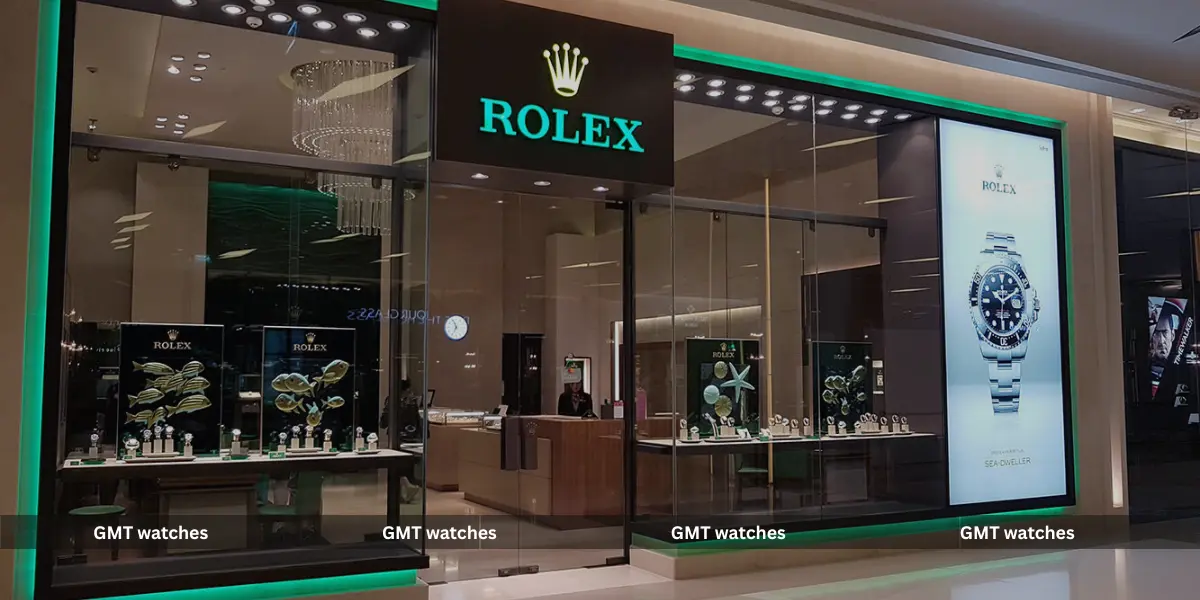
Buying from a boutique in Dubai feels different. There’s a certain clarity to it. You know what you’re getting, and the experience is clean, predictable. But availability is limited, and waiting lists are real, even here.
The grey market, on the other hand, moves faster. You’ll find more options, sometimes immediately available, and occasionally priced in a way that feels competitive. But it comes with its own layer of complexity. Not risk in the obvious sense, but nuance. Condition variations, service history, subtle refinishing, all the things that don’t show up in a quick glance.
The gap between these two worlds isn’t just about price. It’s about how much context you’re willing to process. Some buyers prefer simplicity. Others are comfortable navigating the details if it means finding something more specific.
What Actually Holds Up Over Time?
Not every Rolex in Dubai ages the same way in the market. Some models maintain their position almost quietly, without much fluctuation. Others spike, then cool off, then sit in a kind of limbo where they’re still desirable but no longer urgent.
The watches that tend to hold up well usually share a few traits, even if no one spells it out directly. They have a clear identity. They’re not overproduced in a single configuration. And they fit into a broader pattern of demand that extends beyond just Dubai.
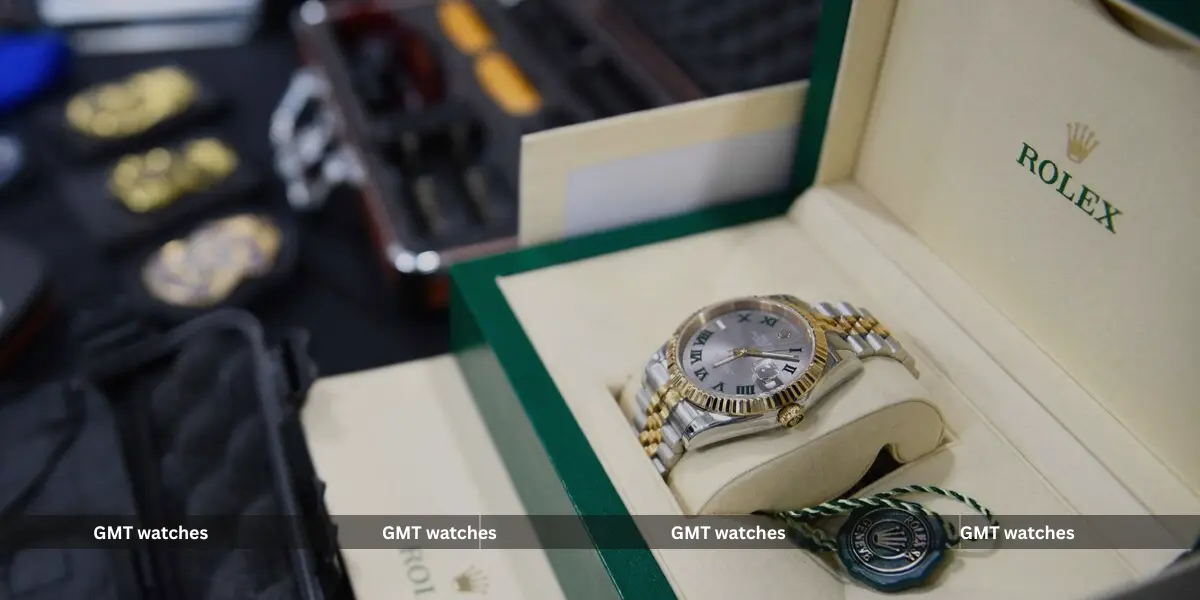
For example, classic Submariner references with balanced proportions tend to remain stable. Certain GMT variations with recognizable colorways keep attracting attention, even when prices adjust slightly. Meanwhile, more niche models like some Yacht-Master configurations can feel uncertain, not because they’re bad watches, but because their audience is smaller.
This isn’t about predicting the future. It’s more about understanding what already repeats itself in the market.
The Quiet Role of Condition
Condition sounds obvious, but in Dubai it’s a bit more layered. A watch can look clean at first glance and still feel off when you handle it closely. Over-polished edges, softened case lines, bracelets that don’t sit as tight as they should, these are small things individually, but together they change how the watch feels.
Buyers who spend enough time around these watches start noticing these details without thinking about it. It becomes instinctive. But for someone newer to the market, everything can look equally good under showroom lighting.
That’s where experience quietly separates good decisions from average ones. Not in a dramatic way, just in small moments of hesitation or confidence when comparing two similar pieces.
When Timing Matters More Than Model
There’s also timing, which people tend to underestimate. A watch that feels overpriced today might make more sense a few months later, or the opposite. Dubai moves quickly, and inventory doesn’t stay static.
Sometimes a seller lists a watch at a higher price just to test the market. If interest is low, adjustments follow. Other times, a watch gets picked up almost immediately because it hits the right combination of condition, configuration, and timing.

If you watch the market long enough, you start noticing patterns. Certain models disappear faster at specific price ranges. Others linger even when priced attractively. It’s not random, but it doesn’t follow a simple rule either.
ALSO READ: How to Choose the Right Rolex for Your Budget in 2026?
The Difference Between Buying and Understanding
At some point, it stops being about just buying a Rolex. It becomes more about understanding why one piece feels right and another doesn’t, even if they look similar on paper.
Dubai amplifies that difference because it gives you more exposure. More listings, more comparisons, more chances to see how small details affect perception and pricing. That can either sharpen your judgment or make things more confusing, depending on how you approach it.
People who treat it as a quick purchase often end up with something that’s fine, but not quite right. People who spend a bit more time observing usually land on something that makes sense even months later, which is a different kind of satisfaction.
Rolex in Dubai Isn’t One Market
By the time you’ve seen enough of it, one thing becomes clear. There isn’t a single “Rolex in Dubai” market. There are multiple layers, each with its own logic, pace, and expectations.
Some watches are priced for quick turnover. Others are positioned for buyers who don’t mind paying a bit more for a specific configuration. Some sellers know exactly what they have. Others are still figuring it out in real time.
That’s why not every Rolex here is worth buying. Not because the watches are flawed, but because the context around them matters more than people expect. And once you start seeing that context clearly, the whole market feels different.
FAQ
Is buying a Rolex in Dubai cheaper than other countries?
Not always. While Dubai is often seen as a tax-friendly market, prices for Rolex watches can sometimes be higher than expected, especially for high-demand models. Popular pieces like Submariner or GMT-Master II are often priced above retail in the secondary market due to demand. In some cases, less popular configurations may appear cheaper, but that usually reflects lower demand rather than better value.
Which Rolex models hold value best in Dubai?
Models with consistent global demand tend to perform better. Submariner, GMT-Master II, and certain Datejust configurations usually hold their value more reliably. However, it’s not just about the model name. Specific details like bezel type, dial color, and bracelet choice can significantly affect resale performance in Dubai’s market.
Is it safe to buy Rolex from the grey market in Dubai?
Generally, yes, but it depends on where you buy. Dubai has many reputable grey market dealers, but the quality and condition of watches can vary. It’s important to check authenticity, service history, and whether the watch has been polished or modified. A clean-looking watch isn’t always a well-preserved one.
Why are some Rolex watches cheaper in Dubai listings?
Lower prices usually indicate something behind the scenes. It could be a less desirable configuration, missing original box or papers, or simply a model that doesn’t move quickly in the market. Sometimes sellers price aggressively to create urgency, but it doesn’t always mean it’s a better deal long term.
How do I know if a Rolex is worth buying in Dubai?
It comes down to context more than just price. A good buy usually has the right combination of condition, configuration, and market demand. If a watch feels slightly underpriced compared to similar listings, there’s often a reason. Taking time to compare multiple examples of the same model helps build a clearer sense of what actually makes sense.