
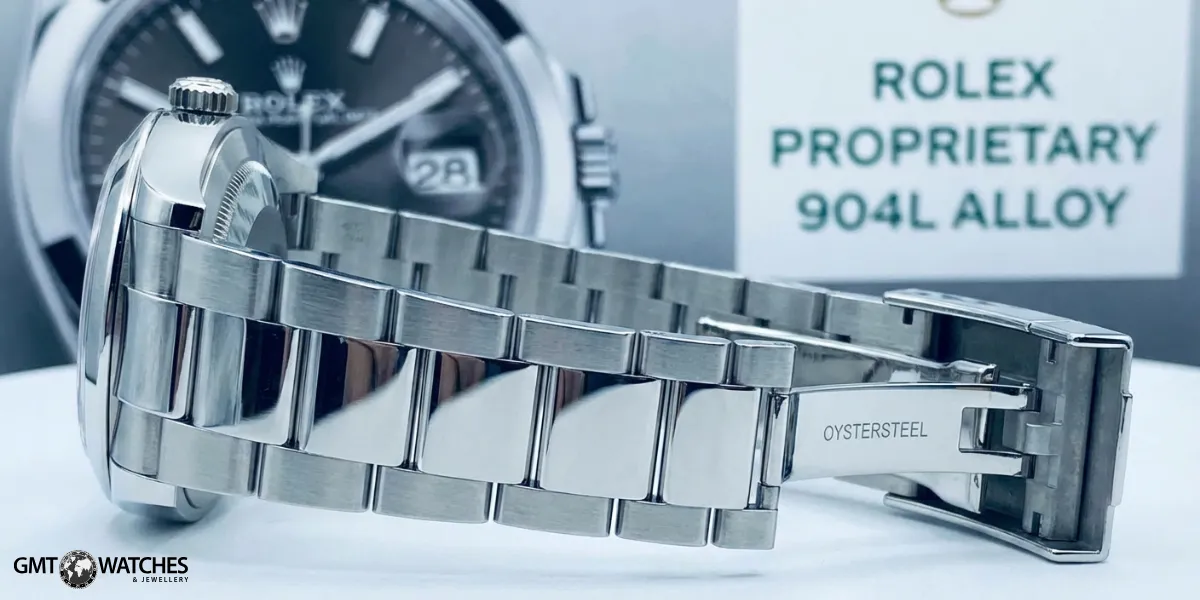
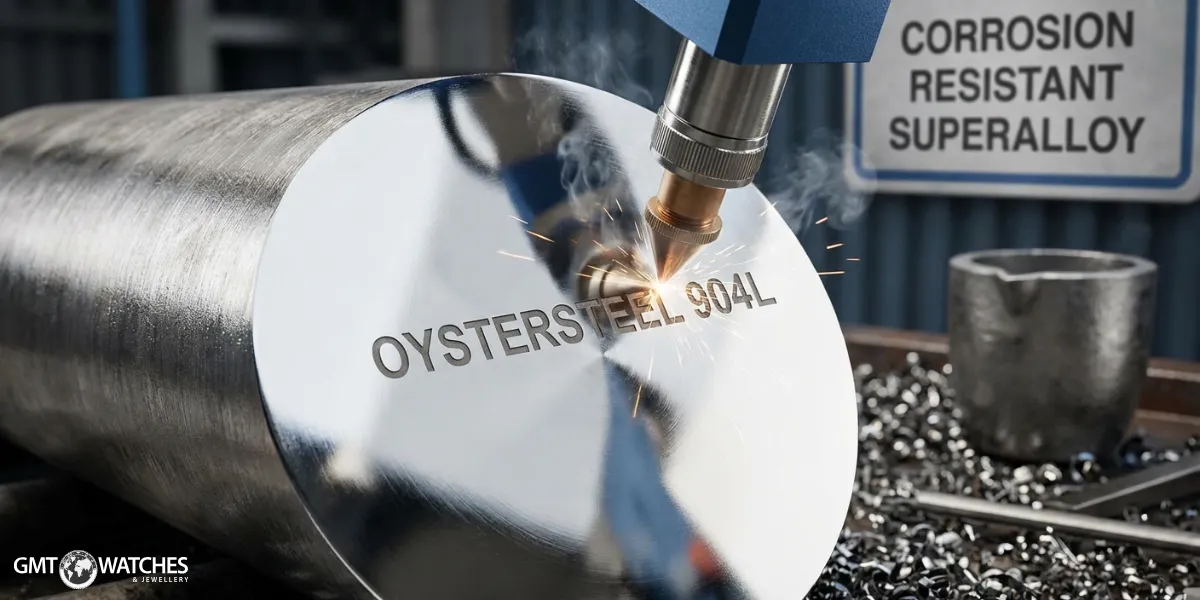
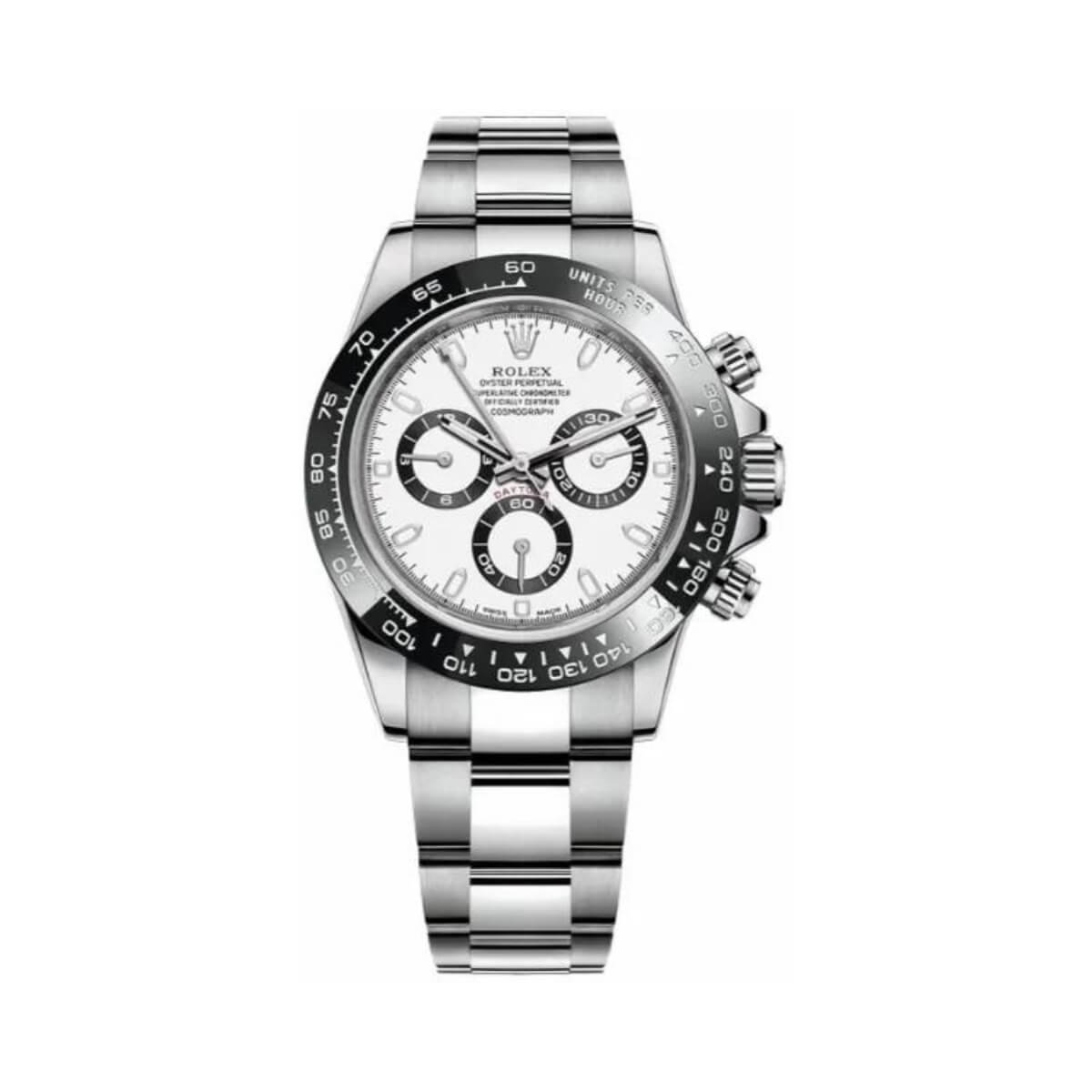
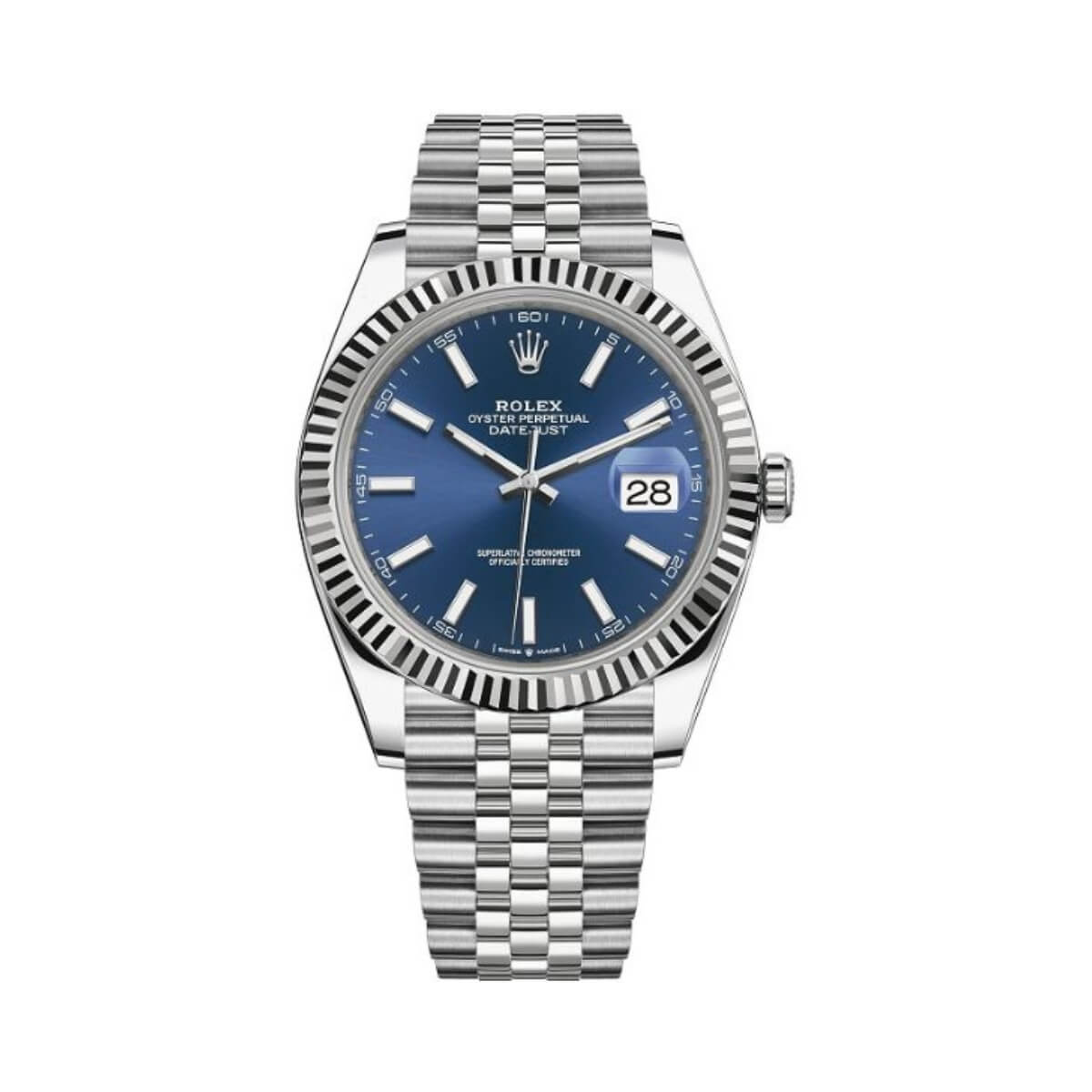
Oyster Steel is a high-grade stainless steel alloy used by Rolex in its watch cases and bracelets. It is based on 904L steel, a material known for exceptional corrosion resistance, durability, and the ability to maintain a bright polished finish over time. Compared to standard watch steels, Oyster Steel is engineered for harsher environments and long-term daily wear.
What Type Of Steel Is Oyster Steel?
Oyster Steel belongs to the 904L stainless steel family, which was originally developed for industrial use in environments exposed to saltwater, chemicals, and extreme conditions.
Key characteristics of 904L steel:
- High resistance to corrosion and oxidation
- Strong performance in humid and saltwater environments
- Greater toughness under physical stress
- Ability to hold a brighter, longer-lasting polish
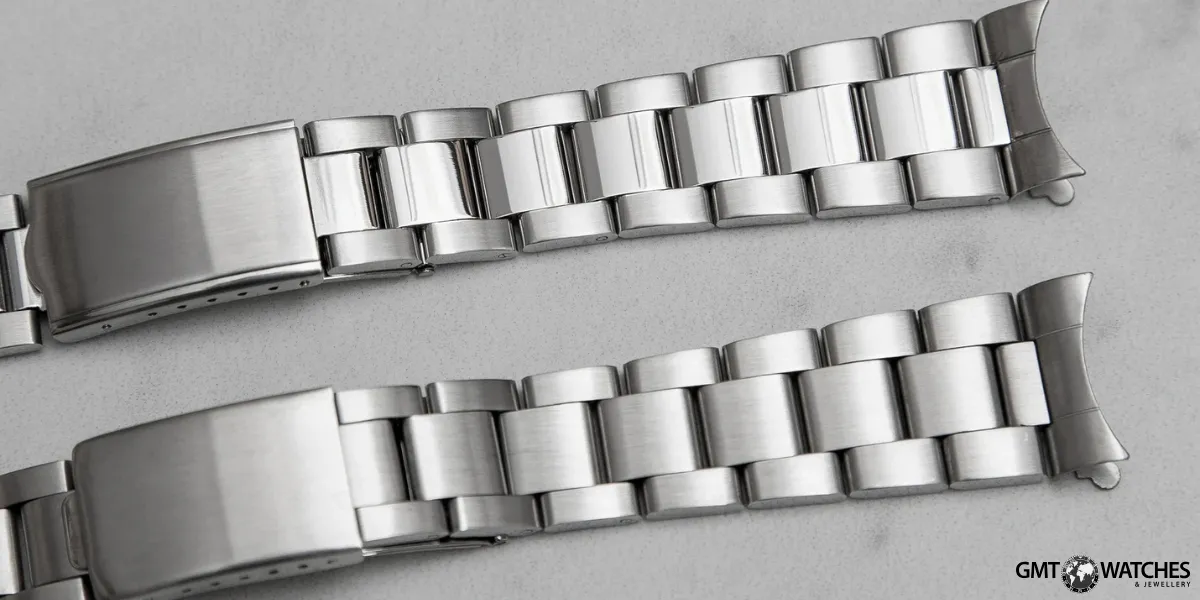
Also Read: Do You Know What Makes Rolex Oystersteel So Special?
How Oyster Steel Differs From Standard Stainless Steel?
Most luxury watches are made from 316L stainless steel, which is durable and corrosion resistant. Oyster Steel goes beyond this standard.
Main differences:
- Higher nickel and chromium content
- Improved resistance to rust, pitting, and discoloration
- More demanding manufacturing and finishing process
- Enhanced long-term visual appearance

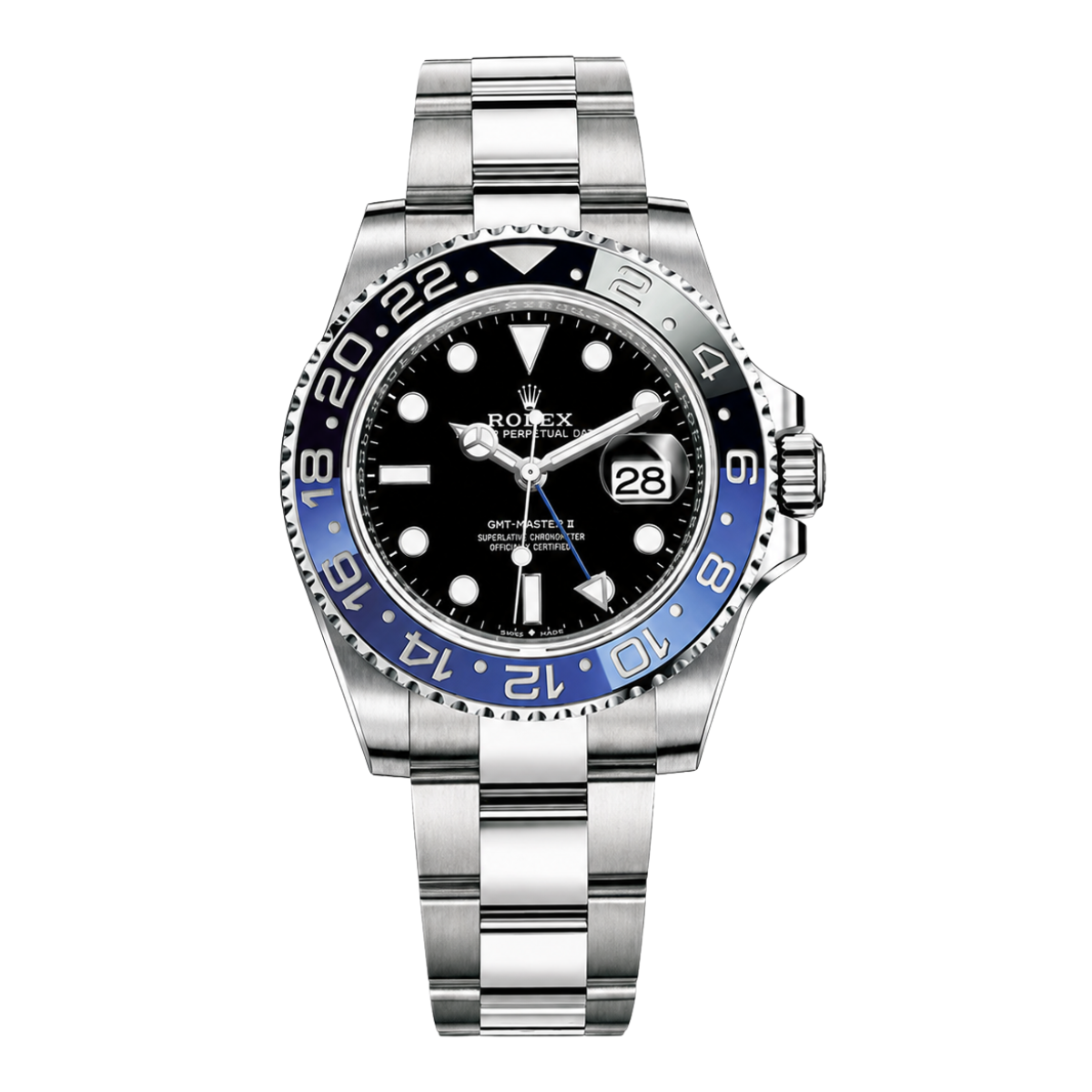
Benefits Of Oyster Steel In Watches
Oyster Steel is chosen for performance, not convenience.
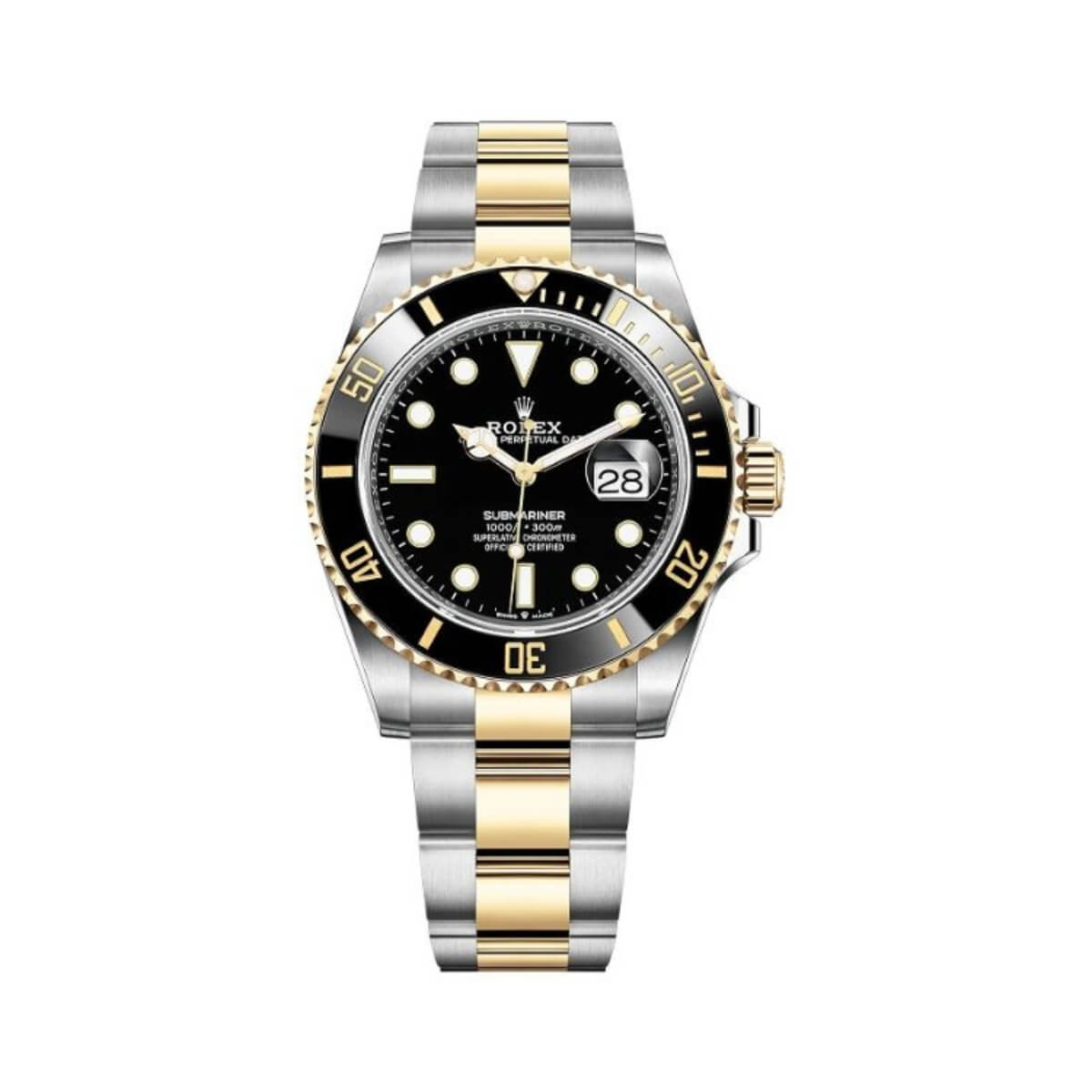
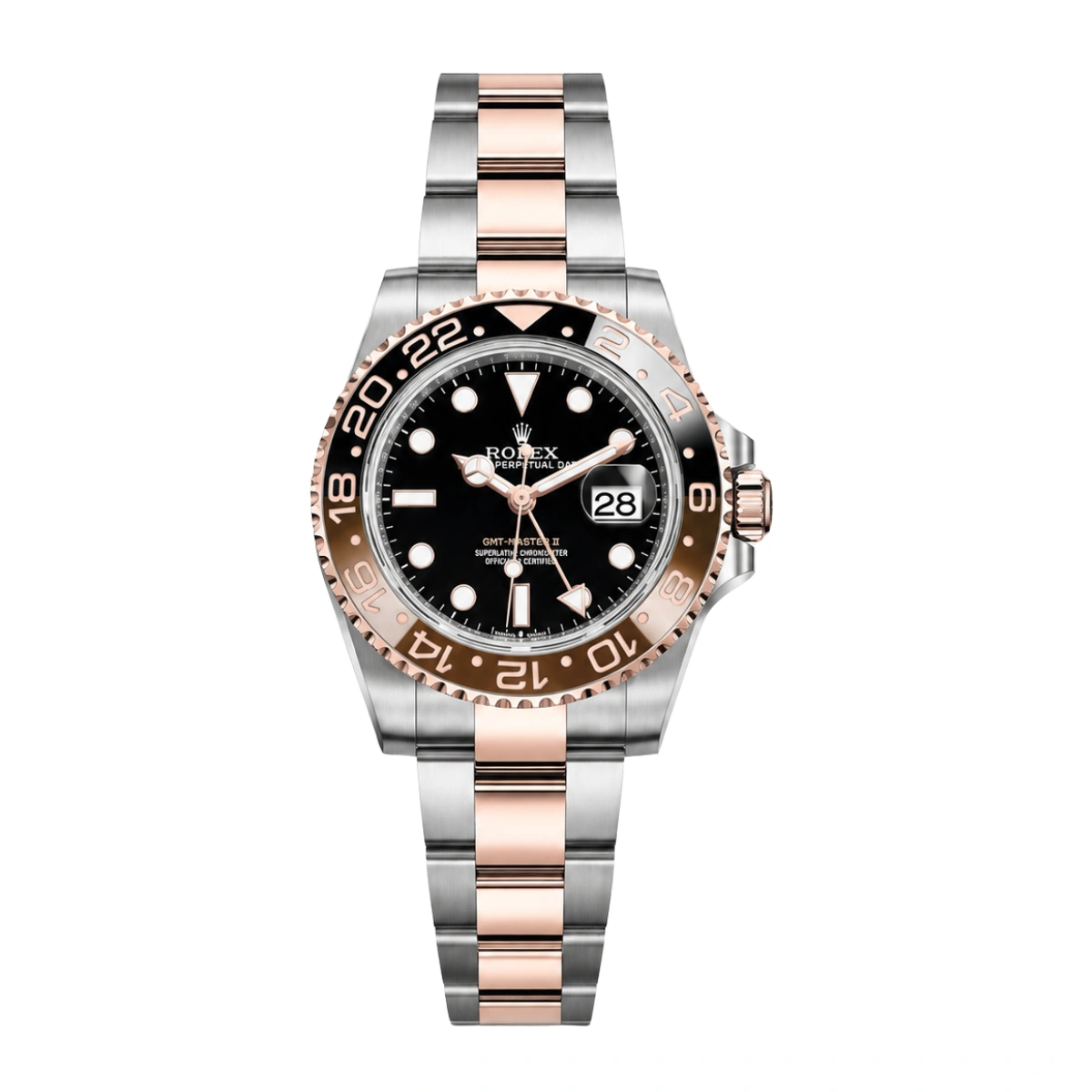
Advantages include:
- Durability: Resists dents, wear, and surface degradation
- Corrosion Resistance: Performs exceptionally well in saltwater and humid climates
- Finish Quality: Maintains a clean, high-polish look for longer periods
- Longevity: Designed to remain structurally and visually consistent over decades
Buy Rolex Watches with Best Prices
Why Oyster Steel Is Used In Luxury Watches?
Luxury watches are often exposed to sweat, water, temperature changes, and daily friction. Oyster Steel is specifically selected to handle these conditions without compromising appearance or strength.
Ideal for:
- Sports watches
- Dive watches
- Daily wear luxury watches
- Long-term ownership and resale value
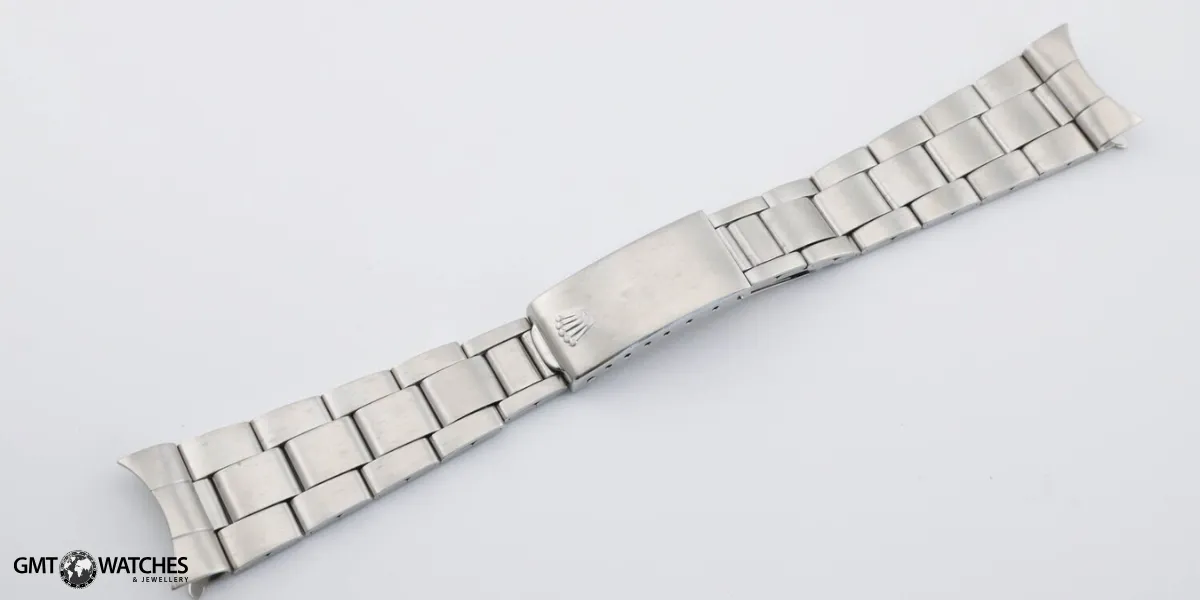
Is Oyster Steel Better Than 316L Stainless Steel?
From a technical standpoint, Oyster Steel offers superior corrosion resistance and polish retention compared to 316L stainless steel. However, it is harder to machine and more expensive to produce, which is why it is not widely used across the watch industry.
Trade-offs to consider:
- Better performance and finish
- Higher production complexity
- Increased manufacturing cost
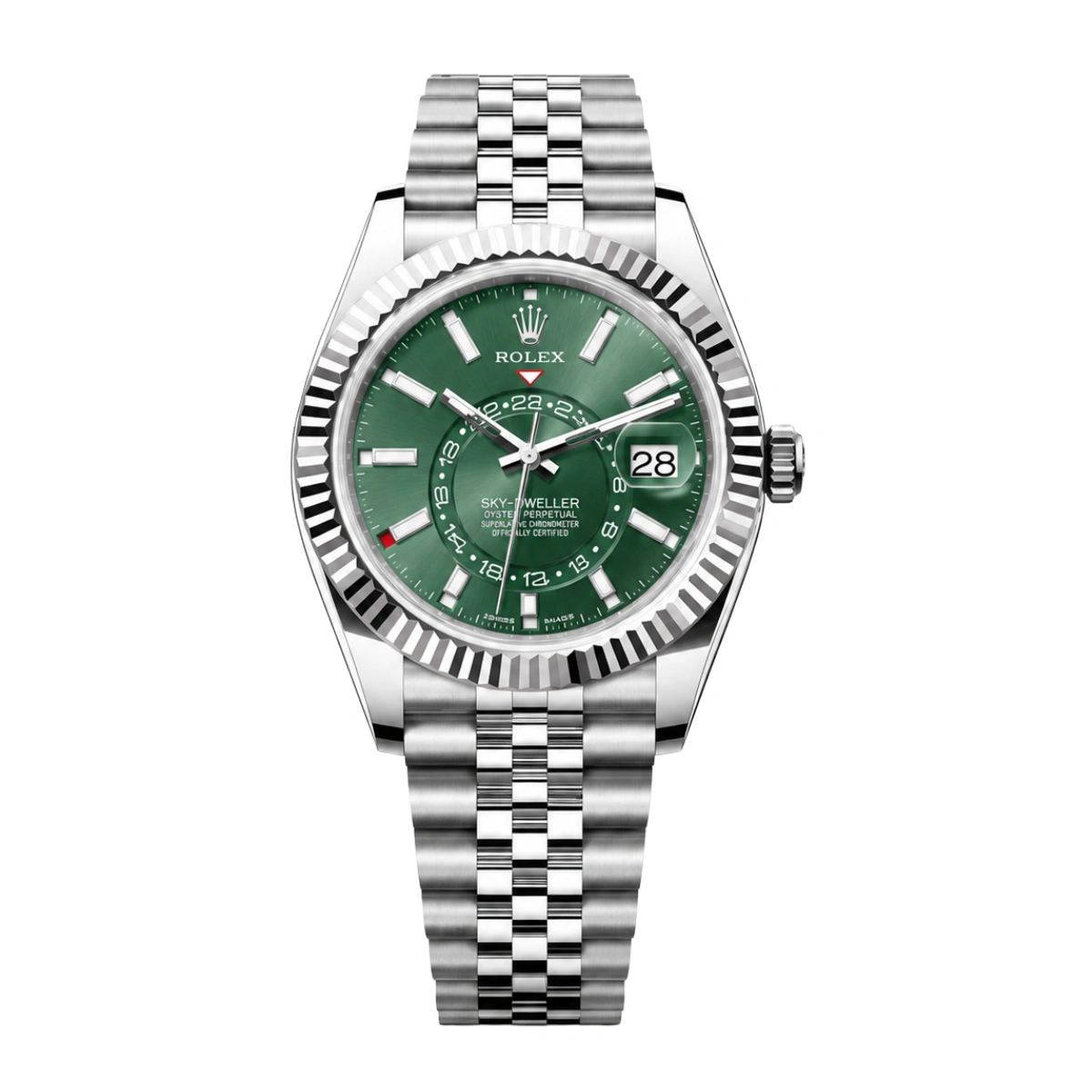

Common Questions About Oyster Steel
1. Is Oyster Steel scratch-proof?
No stainless steel is completely scratch-proof, but Oyster Steel is highly resistant to surface degradation and retains its finish better over time.
2. Is Oyster Steel heavier than regular steel?
It is slightly denser than 316L steel, but the difference is minimal in everyday wear.
3. Is Oyster Steel suitable for daily use?
Yes. It is specifically designed for daily wear and exposure to challenging environments.
Conclusion
Oyster Steel is not just a branding term. It is a premium stainless steel alloy selected for its durability, corrosion resistance, and long-term aesthetic stability. For buyers who prioritize material quality, longevity, and performance in a luxury watch, Oyster Steel represents one of the highest standards in modern watchmaking.