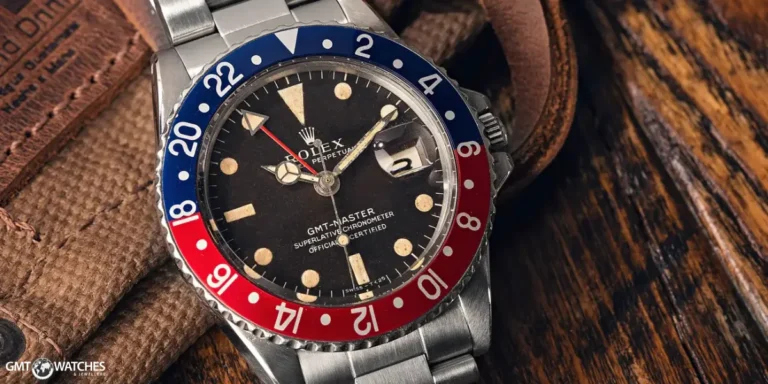
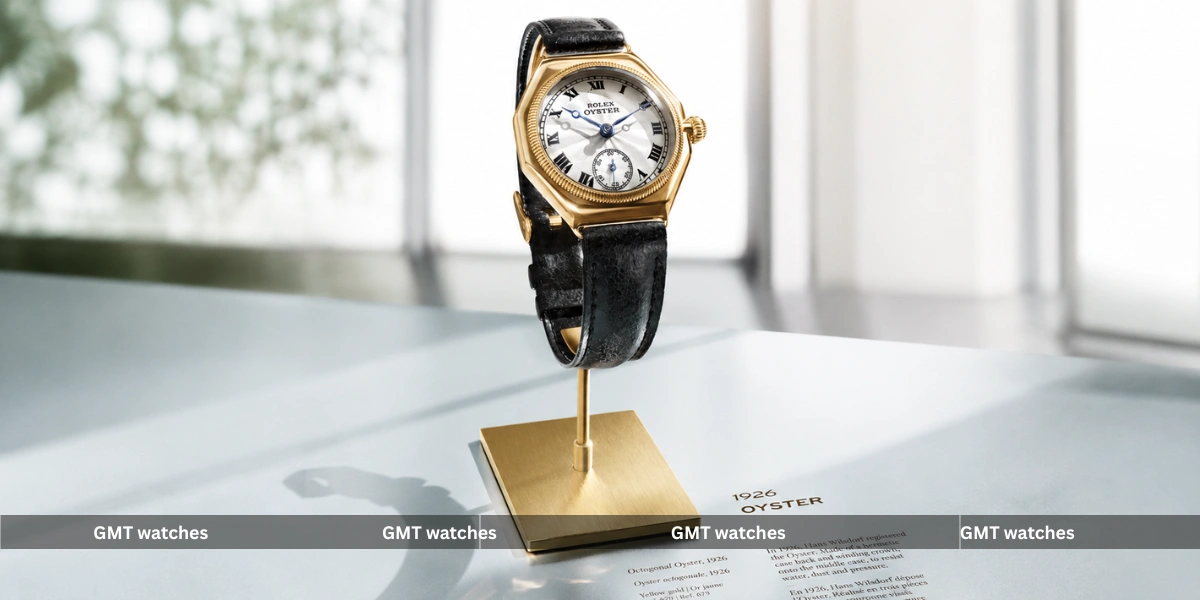
Rolex Oyster 1926 Is Back Everything You Need to Know
In the world of watchmaking, some models are more than just timepieces they are milestones in history. The Rolex Oyster 1926 is undoubtedly one of them. When Rolex introduced the first Oyster in 1926, it revolutionized the concept of a waterproof wristwatch, setting a new standard for durability and precision. Today, marking the centennial of this iconic model, the Oyster 1926 is back in the spotlight, capturing the attention of collectors and enthusiasts alike.
The return of the Rolex Oyster 1926 is more than just a collector’s update. It’s an opportunity to examine one of Rolex’s most significant innovations and understand why this watch continues to be highly regarded even after a century. Questions naturally arise: How does the new edition compare to the original? What modern refinements have been added? Why has Rolex decided to reintroduce this historical name now?
This guide aims to provide a clear, honest, and practical overview of the Rolex Oyster 1926. The goal is not just to recount history, but to help readers understand the watch’s enduring significance and what its return means for the luxury watch market, collectors, and Rolex enthusiasts.
Contents
Why Rolex Oyster 1926 Still Defines Modern Watches?
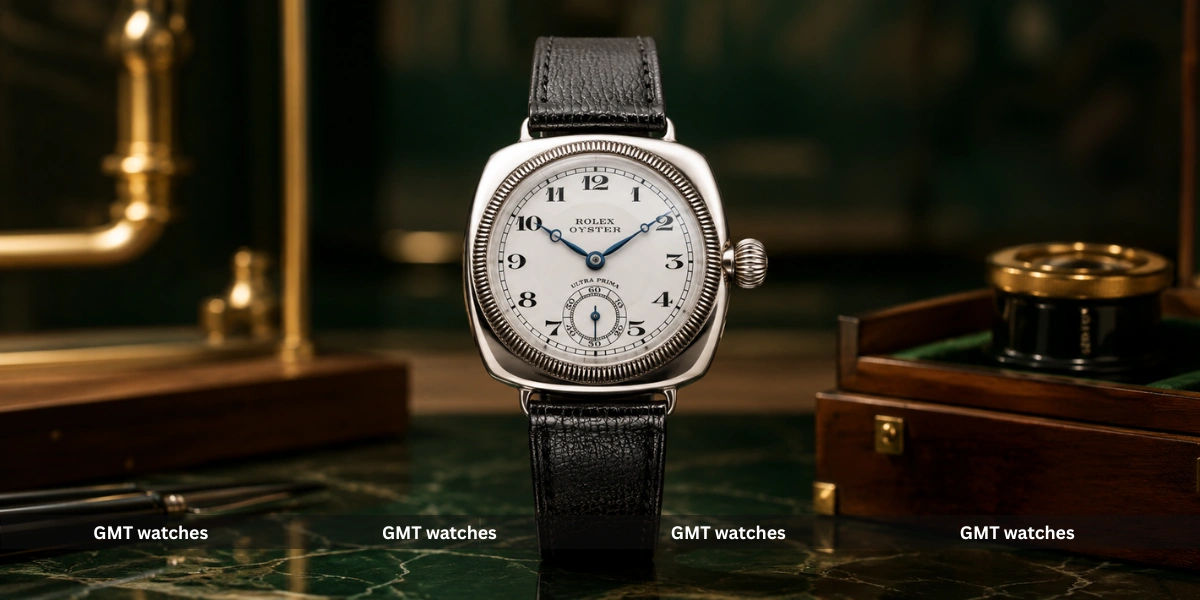
When people hear about the Rolex Oyster 1926, they usually focus on one fact it was the first waterproof wristwatch. While that is true, the real innovation was much deeper and less obvious. In the 1920s, the biggest threat to a watch’s precision was not water but tiny dust particles entering the movement through the crown or case back. These particles could gradually damage delicate components over time.
Rolex approached the problem differently. Instead of redesigning the movement, they focused on protecting it. The bezel, the case back, and the winding crown all screwed down, creating a fully sealed environment. This level of protection was revolutionary and became the foundation for the Twinlock and Triplock systems used in modern professional models.
Move Few Watchmakers Saw Coming
A screw down crown feels normal today, but in 1926 it was a radical idea. Some watchmakers believed customers would never accept winding a watch with a screw down crown every day. Others feared that a fully sealed case would make servicing more difficult. Rolex ignored these concerns and invested in a protective architecture that ensured reliability in all conditions.
The Oyster case philosophy continues to underpin almost every Rolex made today. Submariner, GMT-Master II, Sea-Dweller, and even many Datejust models all rely on the same basic concept introduced nearly a century ago. This is why the Oyster 1926 is not just a vintage collectible; it is the blueprint that shaped modern Rolex engineering.
Why Rolex Chose Watches and Wonders to Bring Oyster 1926 Back?
For most visitors, Watches and Wonders is simply the biggest watch exhibition in the world. Every year, journalists, collectors, retailers, and industry executives travel to Geneva to see the latest releases from the biggest names in Swiss watchmaking. But behind the product launches and media coverage, the event serves a much larger purpose.
What many enthusiasts do not realize is that Watches and Wonders has become the place where luxury watch brands communicate their long term direction. A new release presented in Geneva is rarely just a new watch. More often, it is a statement about where a brand sees itself in the market and how it wants to be perceived over the next decade.
This is exactly why the return of the Rolex Oyster 1926 attracted so much attention. Rolex could have celebrated the Oyster’s centenary through a private event, a limited publication, or a special anniversary campaign. Instead, the company chose the most influential stage in the watch industry.
Rolex Set a New Direction for the Watch Industry
Most discussions around the Rolex Oyster 1926 focus on heritage and nostalgia. However, from a strategic perspective, the launch tells a different story.
Over the last few years, the luxury watch market has started to shift. Collectors have become more selective. Rather than chasing completely new designs, many buyers are looking for watches with genuine historical significance, proven engineering, and long term relevance.
Rolex understood this trend earlier than many competitors. By bringing attention back to the Oyster 1926, the brand was not simply celebrating its past. It was reminding the market that some of the most important innovations in modern watchmaking originated from a Rolex idea that is now almost one hundred years old.
There is another detail that rarely gets mentioned. Every major retailer, distributor, journalist, and market analyst attending Watches and Wonders pays close attention to what Rolex chooses to highlight. When Rolex places a century old innovation at the center of its presentation, it influences conversations throughout the industry. In many ways, the company is helping shape what collectors, dealers, and even competing brands will be talking about for the next several years.
That is why the reappearance of the Rolex Oyster 1926 in Geneva was more than a tribute to history. It was a carefully timed reminder that in luxury watchmaking, heritage still carries enormous power.

Why Rolex Highlighted the Oyster 1926 at Watches and Wonders Geneva
At Watches and Wonders Geneva 2026, Rolex didn’t just present another seasonal update. The brand used the event to emphasize the 100th anniversary of the Oyster case, one of the most significant innovations in wristwatch history. This event gathers the world’s leading watchmakers, collectors, media, and enthusiasts, making it the perfect platform for Rolex to convey a clear message to the entire industry.
The Oyster 1926 was chosen because 2026 marks 100 years since its introduction, when Rolex proved that a wristwatch could be both elegant and truly practical. Rolex didn’t just showcase a historic story; they integrated these references into modern watches, such as marking the anniversary on the dial and crown, linking past achievements directly to today’s timepieces.
By presenting the Oyster legacy here, Rolex communicated that its strength lies not in constant reinvention alone, but in refining a core idea across generations: a luxury watch should be precise, reliable, durable, and ready for real life. Unlike other brands that emphasize complications or limited editions, Rolex focused on heritage, resilience, and enduring design, reinforcing why the Oyster remains central to the brand’s identity even a century later.

What Happened Around Rolex at Watches and Wonders Geneva 2026
At Watches and Wonders Geneva 2026, Rolex was not presenting in isolation. It appeared alongside many of the most influential names in luxury watchmaking, including Patek Philippe, Cartier, Vacheron Constantin, Audemars Piguet, Jaeger-LeCoultre, IWC, Tudor, Grand Seiko, Chopard, Piaget, Zenith, Panerai, and A. Lange & Söhne. The event hosted 65 exhibiting brands, making it one of the biggest stages in the global watch industry.
What made Rolex’s presence important was the timing. While many brands used the event to present new complications, artistic dials, limited editions, or collector-focused pieces, Rolex focused on a much bigger historical message: 100 years of the Oyster. The original Oyster case was introduced in 1926, and Rolex used the 2026 event to remind the industry that this waterproof and dustproof case became the technical foundation for much of the brand’s modern identity.
The key Rolex release connected to this story was the new Oyster Perpetual 41 in yellow Rolesor. It was not just another two-tone Rolex; it was designed as a direct tribute to the centenary of the Oyster. Rolex described it as a celebration of the birth of the Oyster, and the watch included anniversary details that linked the 2026 model back to the original 1926 breakthrough.
Rolex also introduced several other important 2026 novelties at the event. These included new Oyster Perpetual models, a Datejust 41 with a green ombré dial, updates to the Cosmograph Daytona, a redesigned Yacht-Master II, and a new Day-Date 40 using Rolex’s new Jubilee Gold alloy. Together, these releases showed that Rolex was not only celebrating its past, but also updating key collections across classic, sport, and precious-metal categories.
So the main story is this: while other brands competed through design, rarity, and complications, Rolex used Watches and Wonders Geneva 2026 to reinforce its core position in the industry. Its message was that the Oyster was not just an old invention from 1926; it was the starting point for a century of Rolex watchmaking and still shapes the brand’s most important watches today.
Rolex Oyster 1926 Key Details at a Glance
Before judging the return of the Rolex Oyster 1926, these points help you understand why this watch matters beyond its vintage look.
Case Concept
The Oyster case was designed to protect the movement from water, dust, humidity, and daily wear.
Historical Role
The original Oyster became famous after Mercedes Gleitze’s 1927 English Channel swim.
Modern Meaning
The Oyster idea still influences Rolex models like Submariner, GMT-Master II, Sea-Dweller, and Datejust.
Buyer Insight
Its value is not only age or rarity, but the engineering idea that shaped modern Rolex watches.
How Experiencing the Rolex Oyster 1926 Feels in Real Life?
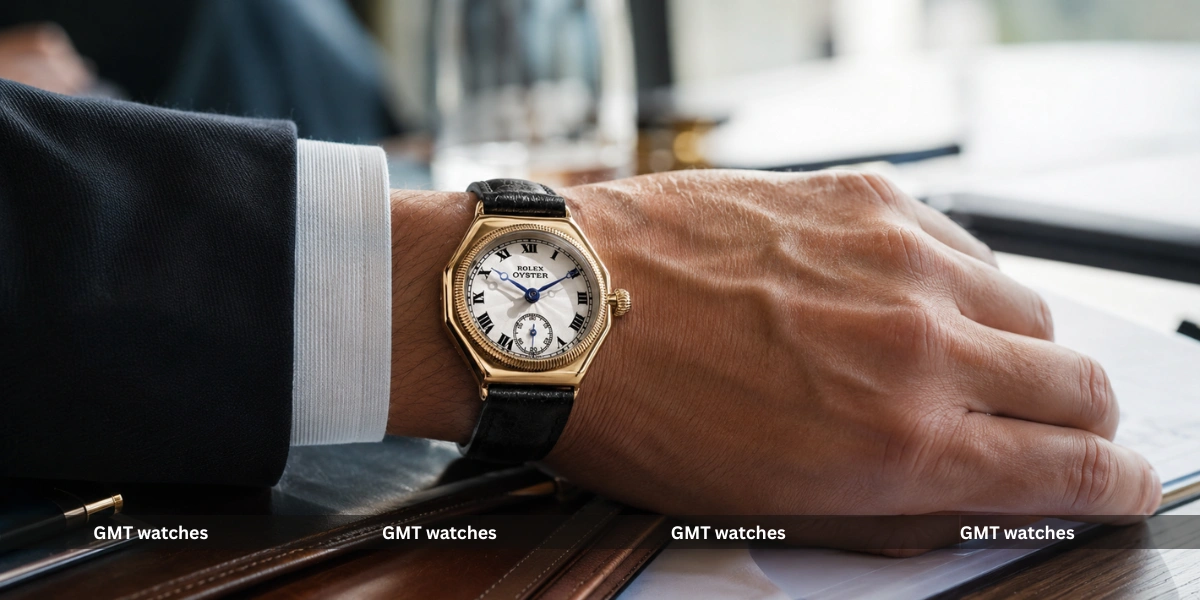
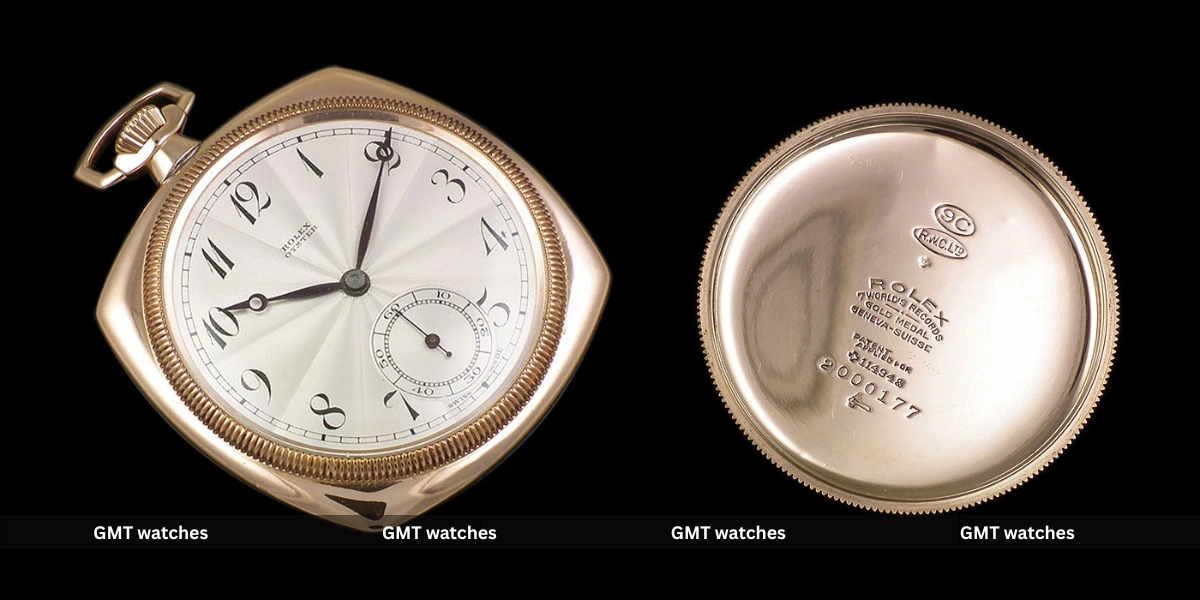
Tips for a HumanCentered Understanding Reading about the Rolex Oyster 1926 is one thing, but imagining how it feels on the wrist can make all the difference. For anyone considering this watch, understanding its size, weight, and daily usability is key. The 34–36 mm case sits comfortably on most wrists, and the Oystersteel bracelet balances durability with elegance. Users often note how the screw-down crown feels smooth and secure, providing confidence in the watch’s legendary waterproof design.
A human-centered review also looks at everyday practicality. While the Oyster 1926 is a collector’s dream, it’s also surprisingly wearable. You can dress it up for formal events or wear it casually without feeling overdressed. Observing the dial under different lighting conditions helps appreciate the subtle textures and finishes that photos often fail to capture.
For readers, actionable tips improve the experience: trying the watch on, checking its weight, and noticing how it interacts with movement and wrist comfort helps make an informed decision. Articles that provide these insights reduce uncertainty and leave the reader with a clear sense of whether the watch matches their lifestyle.
Ultimately, a content experience that combines historical facts, technical details, and real-world user impressions allows readers to feel informed and satisfied. They not only learn about the Rolex Oyster 1926 but also imagine themselves interacting with it, bridging the gap between information and personal experience.
What Makes Rolex Oyster 1926 Worth Understanding Today?
After looking at the history of the Oyster case, its influence on modern Rolex watches, the significance of its return at Watches and Wonders, and the experience it offers to collectors and enthusiasts, one thing becomes clear: the Rolex Oyster 1926 is far more than a reissued historical watch.
Its importance comes from what it represents. The Oyster was one of the products that helped redefine expectations for reliability, durability, and everyday practicality in wristwatches. Many of the features that people now consider normal in a luxury sports watch can be traced back to ideas that Rolex introduced nearly a century ago.
For readers trying to understand why this release matters, a few points stand out:
• The Oyster case remains one of the most influential watch designs ever created.
• The return of Rolex Oyster 1926 highlights the growing importance of heritage in today’s luxury watch market.
• Watches and Wonders provided the perfect stage for Rolex to remind the industry where many modern standards began.
• The story behind the watch is often more interesting than the specifications themselves.
The goal of this article was not simply to repeat marketing claims or summarize information already available elsewhere. Instead, it aimed to provide context, historical perspective, and practical insights that help readers better understand why the Rolex Oyster 1926 continues to attract attention almost one hundred years after its original debut. For many collectors, that lasting relevance may be the most impressive achievement of all.
Also Read : Best Rolex Watches Under 5,000 Dollars in 2026
FAQ
Is the Rolex Oyster 1926 suitable for daily wear?
Yes. Its 34–36 mm case and Oystersteel bracelet make it comfortable for both collectors and everyday use.
What made the Oyster 1926 historically significant?
Mercedes Gleitze wore it during her 1927 English Channel swim, proving the Oyster case was truly waterproof.
What are the differences between the original and the 2026 reissue?
The 2026 version uses modern materials and improved durability while maintaining the original Oyster case design.
Is the Rolex Oyster 1926 a good investment?
Its historical importance and Rolex heritage may support collector interest, but condition, authenticity, rarity, and market demand matter most.
What should I check before buying an Oyster 1926?
Check the case, movement, bracelet, dial condition, service history, and authenticity documents before making a decision.






Gmt Watches Team
We are the GMT Watches Team, dedicated specialists and writers for GMTwatches. We focus on luxury watches, technical analysis, and providing clear, practical insights to help buyers make informed decisions.

Rashed Ebrahimi
I’m Rashed Ebrahimi, the owner of GMTwatches and a specialized writer for this website. I focus on luxury watches, technical analysis, and providing clear, practical insights to help buyers make informed decisions.