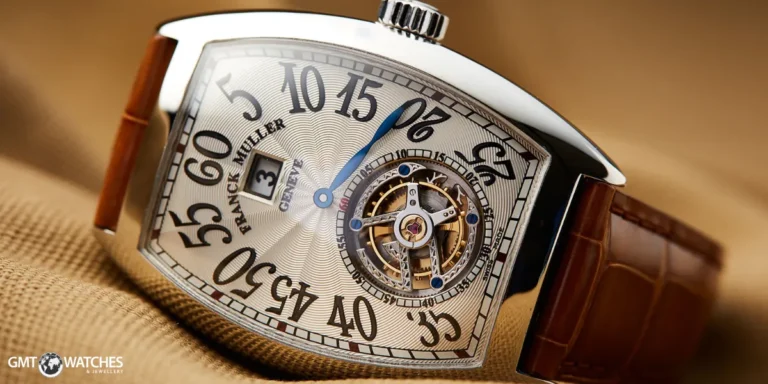

Most men wear their watch on the left wrist, traditionally opposite the dominant hand for comfort and practicality. While the left side is standard, there are no strict rules—many modern men choose the right wrist based on style, comfort, or personal preference.
Essential Insights
- ▶ Most men wear watches on the left wrist, as it keeps the dominant hand free and avoids unnecessary damage.
- ▶ Left-side wearing became standard through history, especially with early military and tool watches.
- ▶ Right-wrist wearing is becoming more common, especially among left-handed men and those who prefer a unique look.
- ▶ There is no formal rule for wrist choice, making comfort and personal style the main deciding factors.
- ▶ Dress watches often sit better on the left wrist, aligning with traditional menswear etiquette.
- ▶ Sports watches may be worn on either side, depending on activity, convenience, and crown placement.
- ▶ Wrist size, watch weight, and daily use all influence which side feels most natural.
What is The Traditional Way to Wear a Watch?
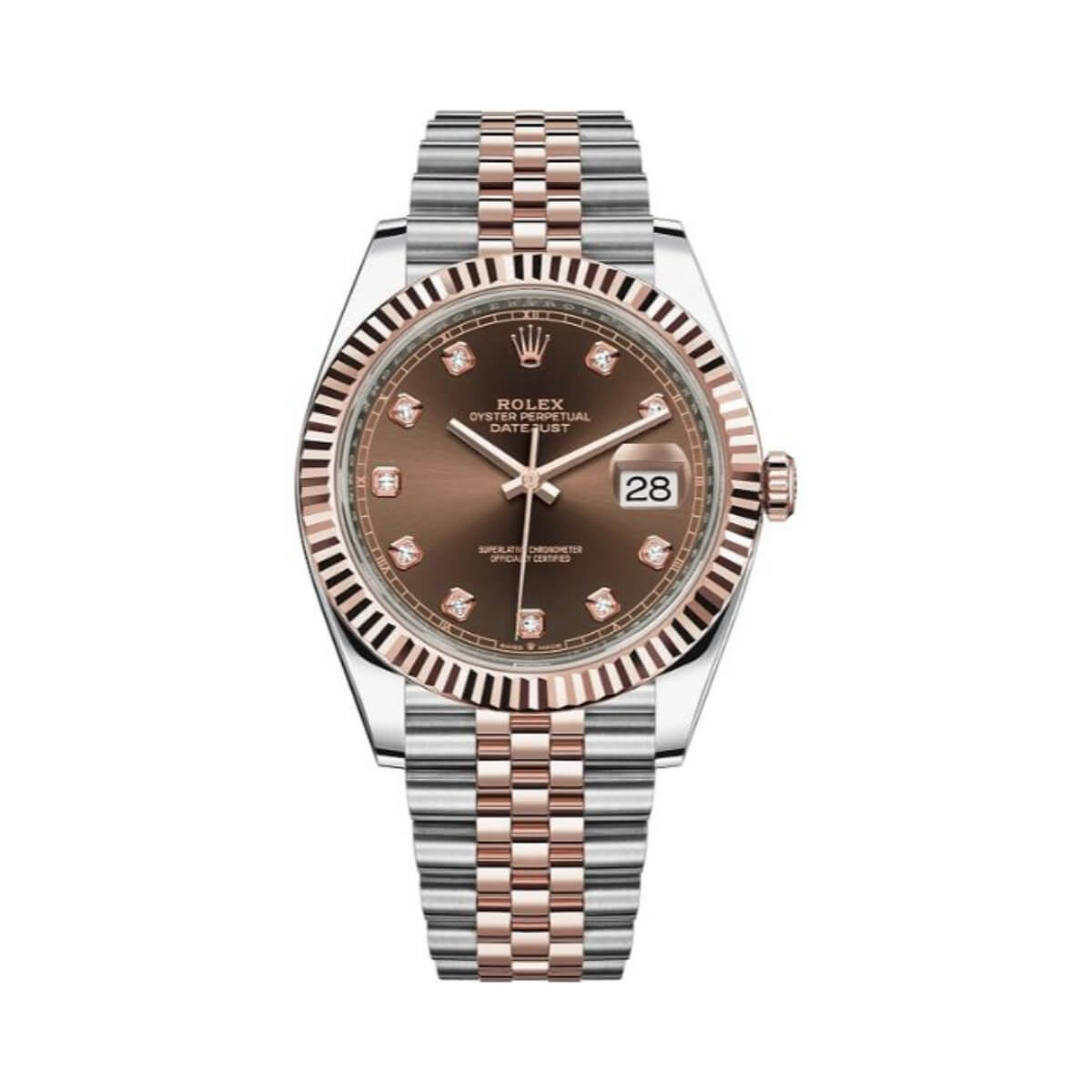
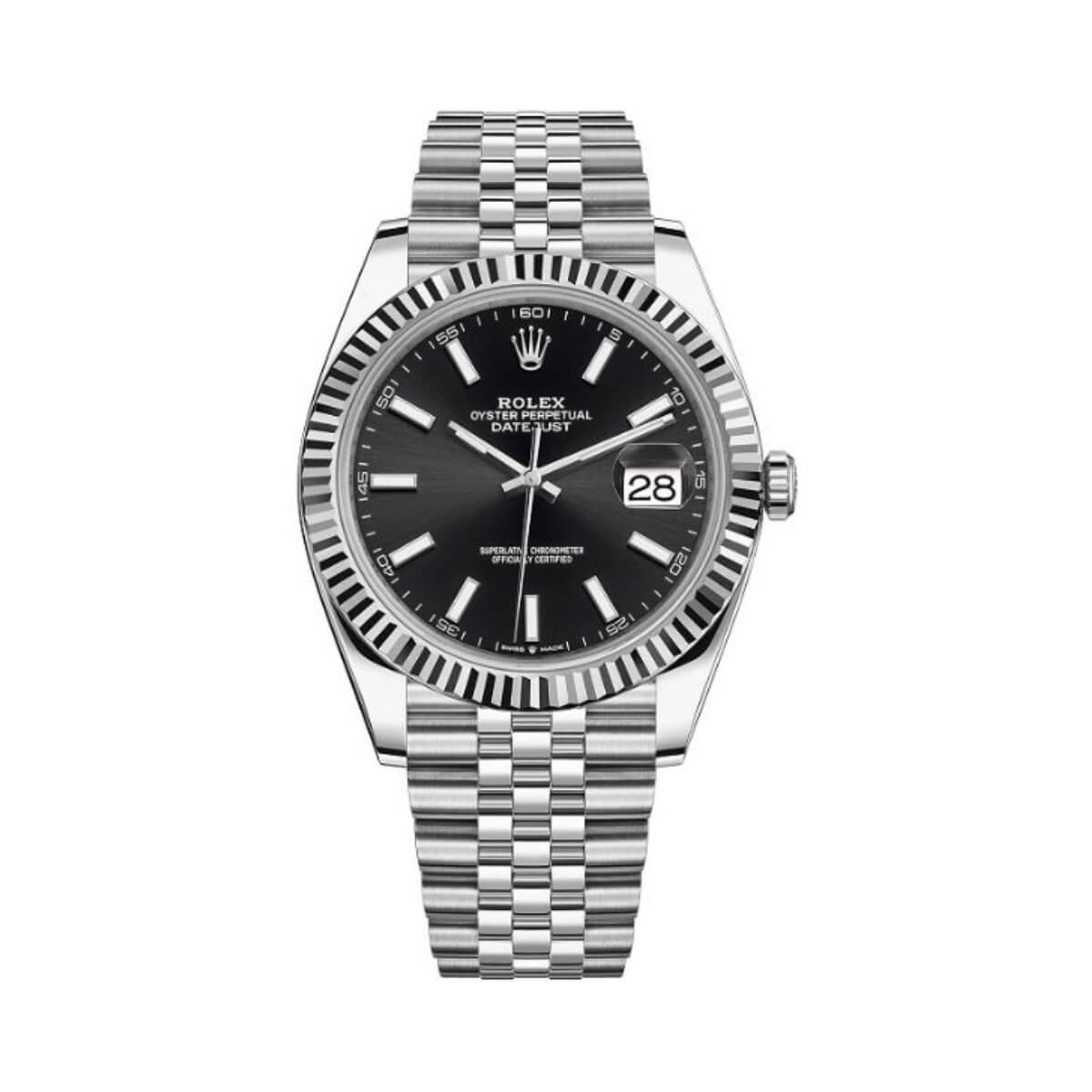
Which hand should gentlemen wear their watch on? If you had asked this question a century ago, everyone would have agreed that it was the right hand! At that time, mechanical watches were designed specifically for right-handed people. The crown, or adjustment screw, was usually located on the right side of the watch case so that right-handed users could adjust the time without removing the watch. See Our Rolex Watches Collection.
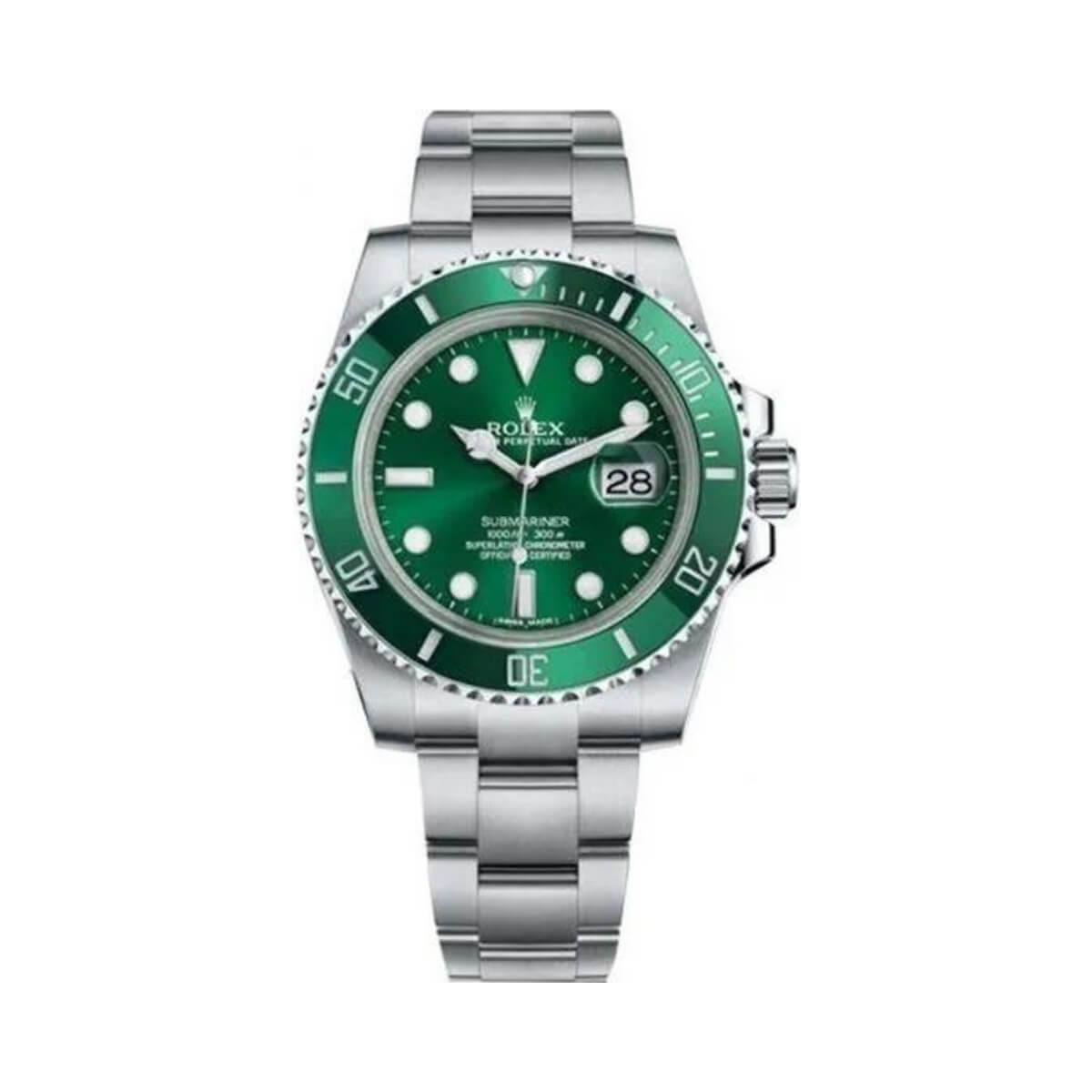
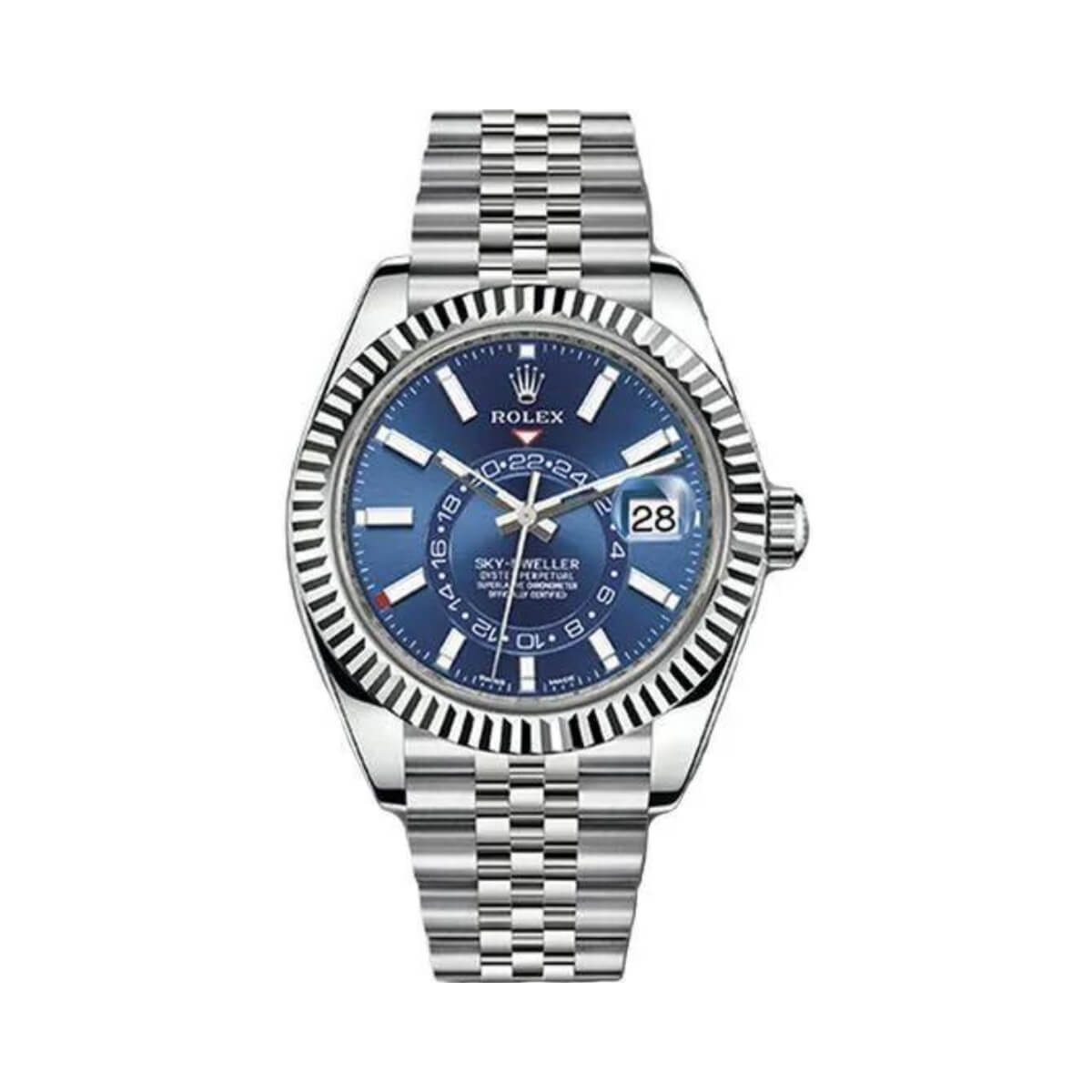
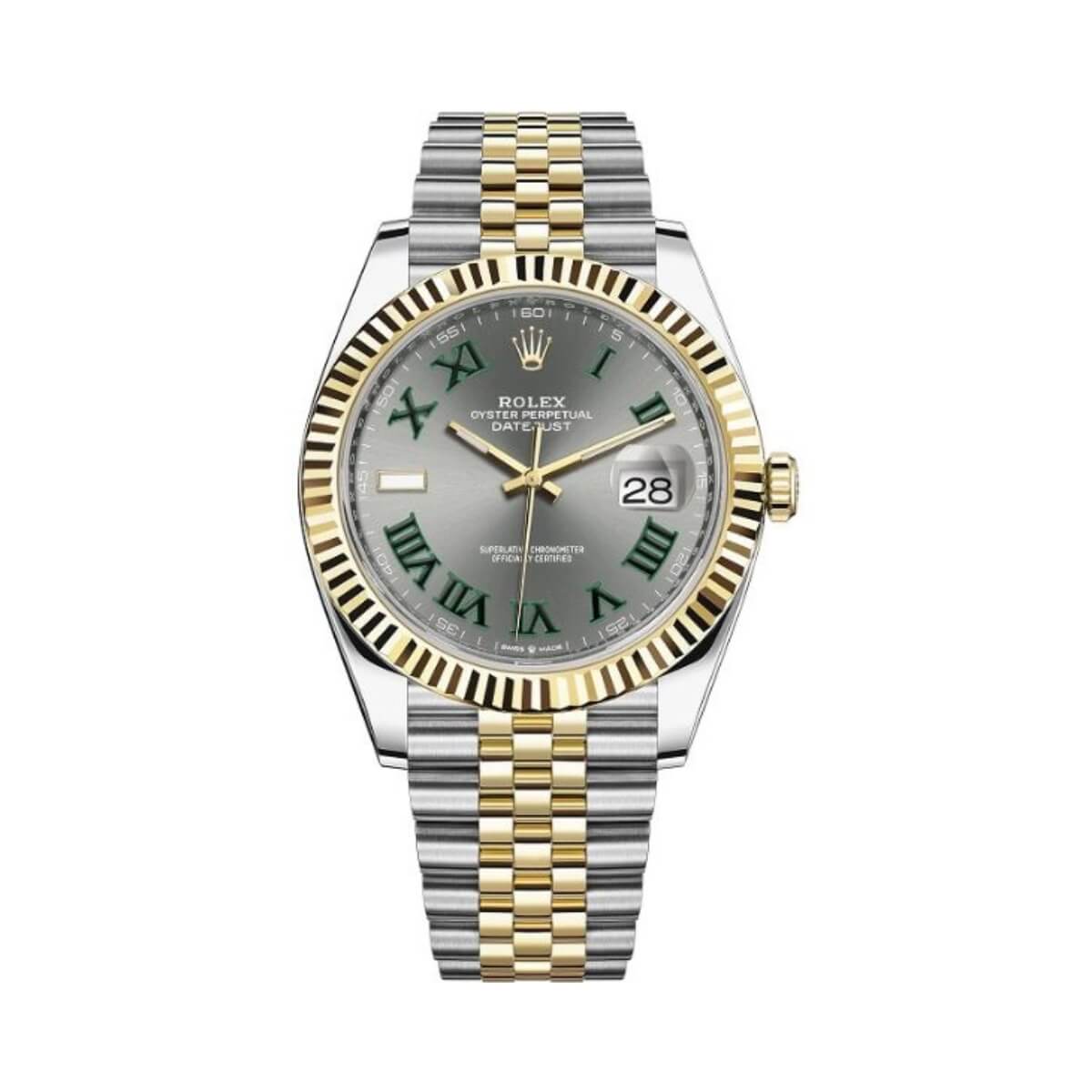
This design also became more important during World War I, as soldiers wore their watches on their left hands to free their dominant hand to use military equipment. Since then, wearing a watch on the left hand has become an accepted social custom and is seen as a sign of respect for social norms, especially in formal and traditional settings.
However, in modern societies, there is more flexibility in choosing the right hand to wear a watch. While mechanical and luxury watch designs have continued to maintain this tradition, the emergence of digital and smartwatches with symmetrical designs has left this choice more to personal preference and comfort. Today, wearing a watch on the left or right hand is no longer limited to traditional rules and is more dependent on the needs and lifestyle of the users.

Can Guys Wear Watches On The Right Hand?
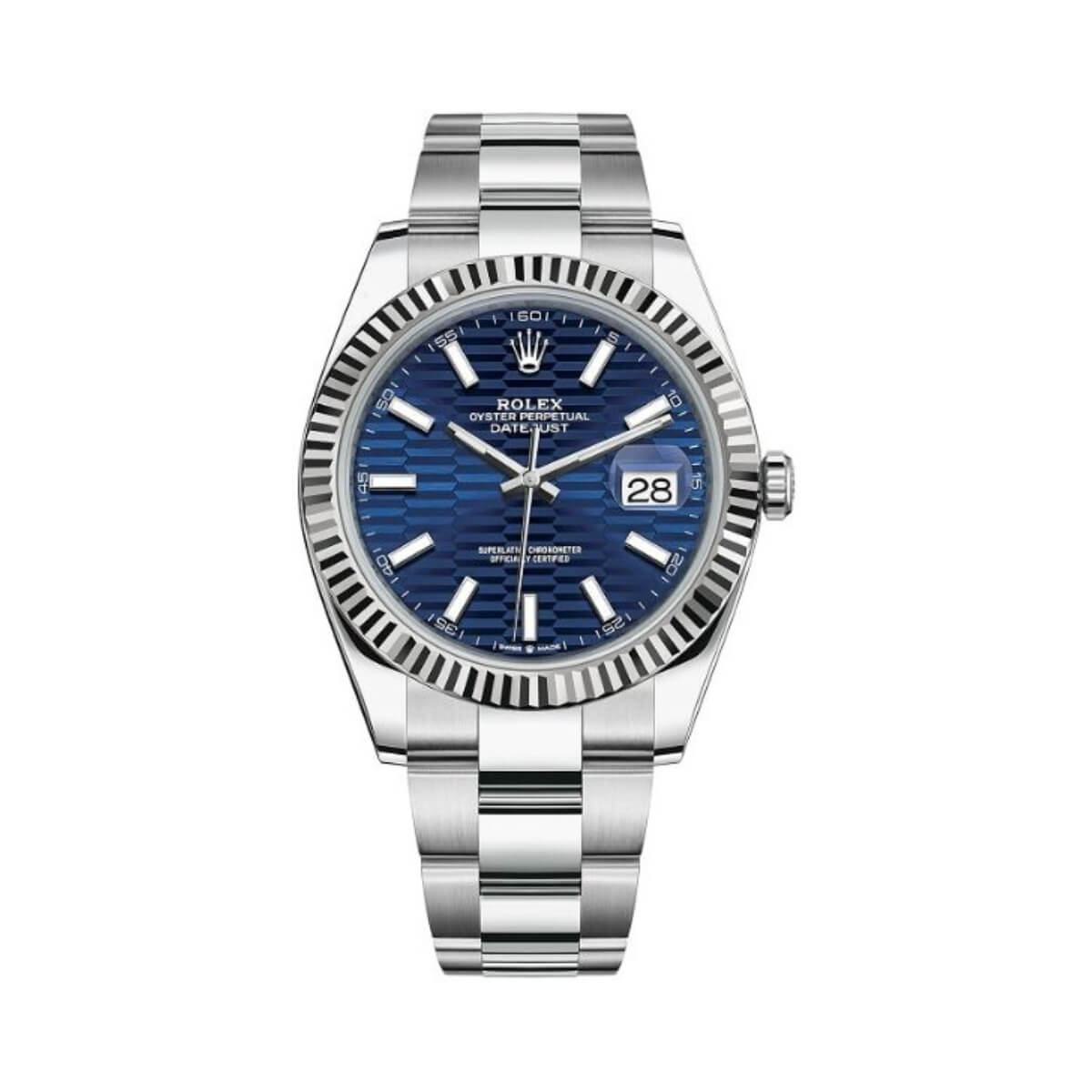
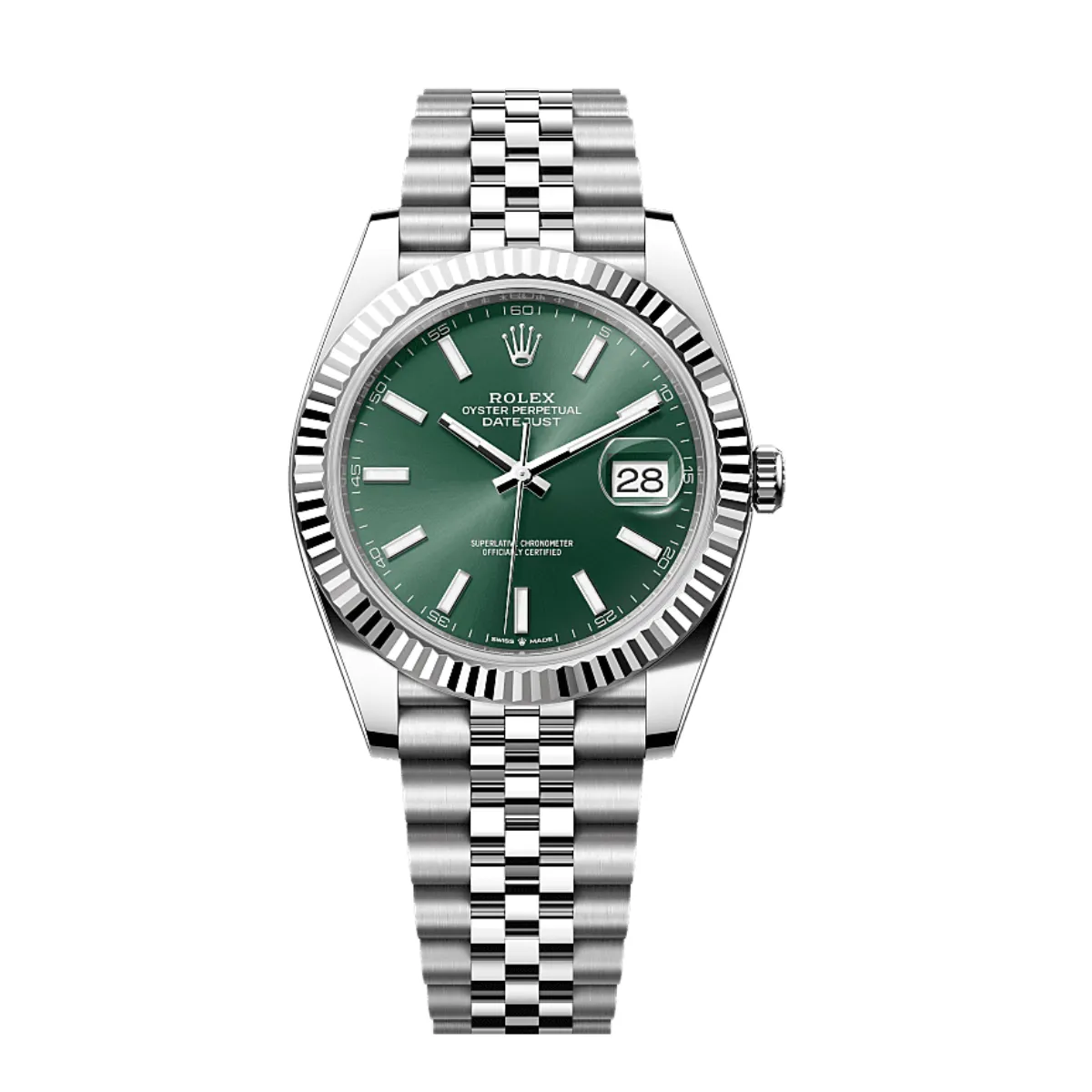
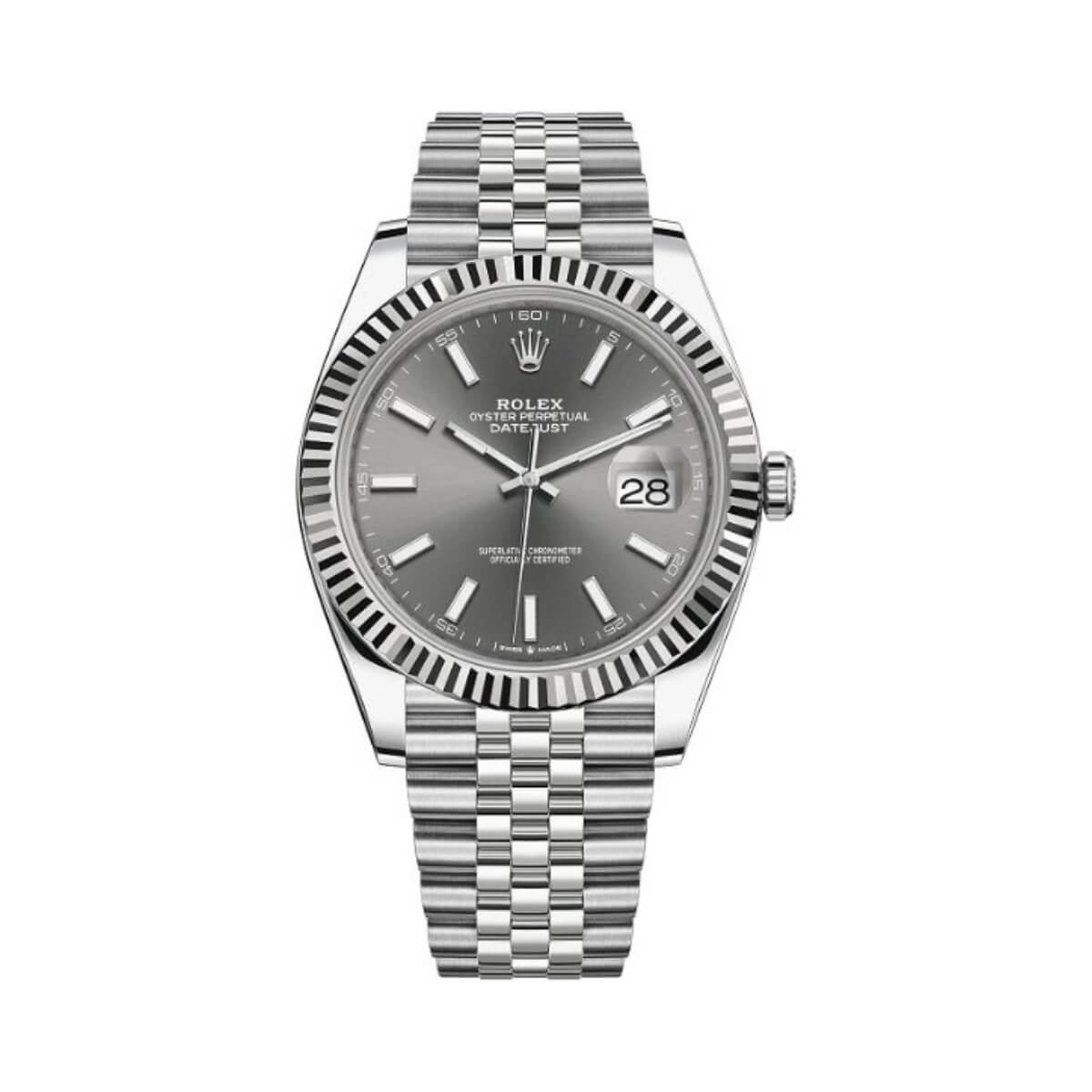
Yes, guys can wear watches on the right hand if it feels more comfortable or suits their style. Traditionally, watches are worn on the non-dominant hand (left for most people) to avoid interference while writing or performing tasks. However, there’s no strict rule—personal preference, functionality, or cultural norms often determine which wrist is chosen. Ultimately, wearing a watch on the right hand is perfectly acceptable.
Religious and Cultural Influences on Choosing Watch Hands
Religious and cultural beliefs can significantly influence how and where people wear their watches. For instance, in some cultures, wearing items on the right side is associated with positivity and auspiciousness, rooted in traditional beliefs about the right side representing goodness or strength. In contrast, left-handed wear may be associated with convenience and modern practicality. Some religious practices may also dictate specific preferences; for example, in Islamic culture, wearing a watch on the right hand aligns with traditions emphasizing the importance of the right side for honorable actions. Understanding these nuances allows for a deeper appreciation of the cultural richness behind this seemingly simple choice.
Also Read: What Type of Watch to Wear on a Wedding Day?
Does The Type of Watch Affect The Choice of Hand?
Which hand should men wear their watch on? The answer to this question depends partly on the type of watch you choose. The type of watch, especially the crown design, case size and strap material, can influence the choice of hand. Mechanical watches with large crowns, which require manual adjustment, are usually designed for left-handed wear. This is especially true for luxury and classic watches with traditional designs.
On the other hand, smartwatches and digital watches that have touchscreens are often compatible with both hands, and some even offer special settings for left-handed users. In addition, sporty and shock-resistant watches designed for everyday activities or sports may be suitable for use on either hand.
| Watch Type | Recommended Wrist | Reason |
|---|---|---|
| Analog Watches | Non-dominant (usually left) | Minimizes damage during activities; easy to adjust crown on right-hand side. |
| Digital Watches | Non-dominant (usually left) | Easier to read without interfering with dominant-hand tasks. |
| Smartwatches | Either wrist | Based on user preference; consider dominant hand for better sensor accuracy. |
| Luxury Watches | Non-dominant (usually left) | Reduces exposure to scratches and wear; maintains a polished appearance. |
| Fitness Trackers | Dominant hand (optional) | Some trackers perform better on the dominant hand for accurate readings. |
| Diver Watches | Non-dominant (usually left) | Reduces risk of damage during physical activities like swimming or diving. |
| Mechanical Watches | Non-dominant (usually left) | Protects the intricate mechanisms from shock or impact. |
| Field Watches | Non-dominant (usually left) | Keeps the watch safe during outdoor activities or manual work. |
| Pilot Watches | Either wrist | Large dials make it practical for either wrist; traditionally left for convenience. |
| Tactical Watches | Either wrist | Based on user preference; typically left for ease of use in demanding conditions. |
Notes:
- Non-dominant wrist: Generally safer for most watches as it’s less exposed to wear and tear.
- Dominant wrist: Useful for smartwatches or fitness trackers requiring active sensor use.
- Personal preference: Ultimately, comfort and usability are key. Adjust wrist choice based on the watch’s purpose and your daily activities.
Difference Between Wearing a Watch on Right and Left Hand
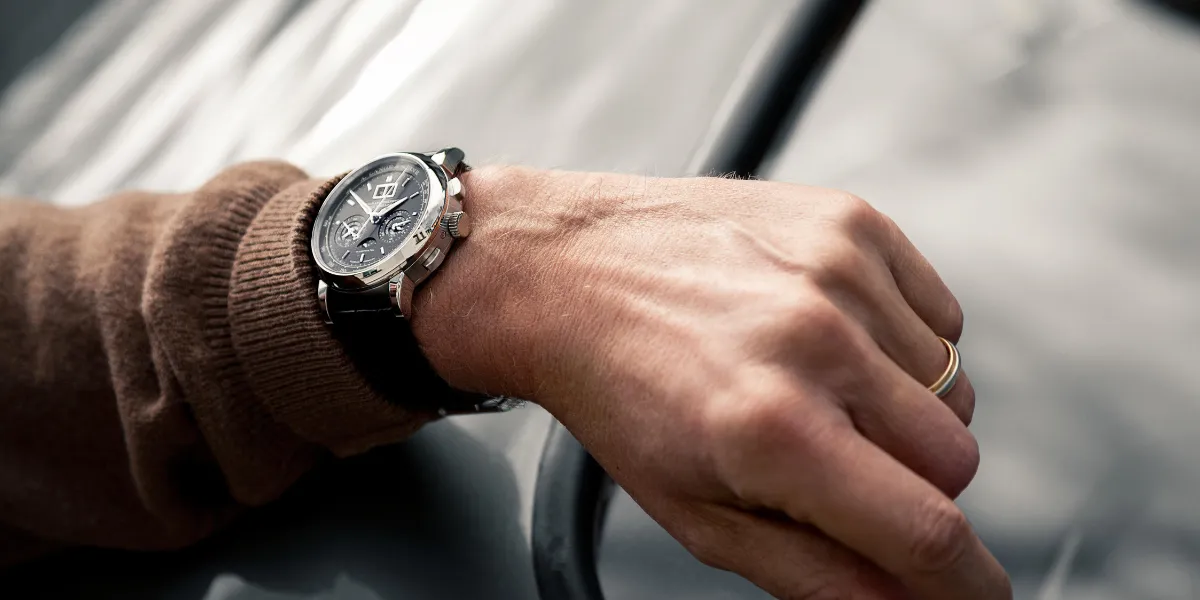
Whether you wear a watch on the left or right hand depends on various factors, including: comfort, personal habit, and use. The left hand, as the non-dominant hand, usually performs fewer activities and is less likely to damage the watch.
Of course, this rule does not hold true for left-handed people, who prefer to wear a watch on the right hand for similar reasons, as this hand is less active. For people who are used to wearing a watch on the dominant hand, there may be a need for more adaptation to certain activities, such as writing or typing. In addition, the material and type of watch strap can also influence the final choice.
Also Read: Ultimate Patek Philippe Watches Buying Guide
Comfort and Practical Tips for Choosing The Side to Wear Your Watch
Choosing the right hand to wear your watch depends on several factors, with comfort and everyday use being at the top of the list. Watches with large, heavy cases, especially sports or luxury models, may restrict freedom of movement or cause hand fatigue if worn on the dominant hand. In contrast, lighter watches with silicone or nylon straps are good options for everyday activities and sports and can be worn on either hand. The type of daily activity should also be considered in this decision. For example, people who spend a lot of time typing or driving may want to choose a lightweight watch and wear it on their non-dominant hand to avoid possible damage to the strap or case, as well as reduced freedom of movement.


Tips for Left and Right-Handed
Right-handed people typically wear their watches on their left hand, as this choice reduces the risk of damage to the watch while freeing up their dominant hand for precision and repetitive tasks. However, for left-handed people, wearing a watch on the right hand can present challenges, including making it harder to reach the crown or control buttons on mechanical watches. For this group of users, watches with a left-handed design, with the crown and buttons located on the left side of the case, are ideal.
This design not only makes it easier to use, but also prevents possible damage to the crown during daily activities. In both cases, choosing a watch with an adjustable strap and the right material, such as silicone or soft leather straps, can help reduce pressure on the wrist and increase comfort. Left-handed and right-handed people should also choose the option that best suits their needs, based on their lifestyle and the amount of daily use of the watch.
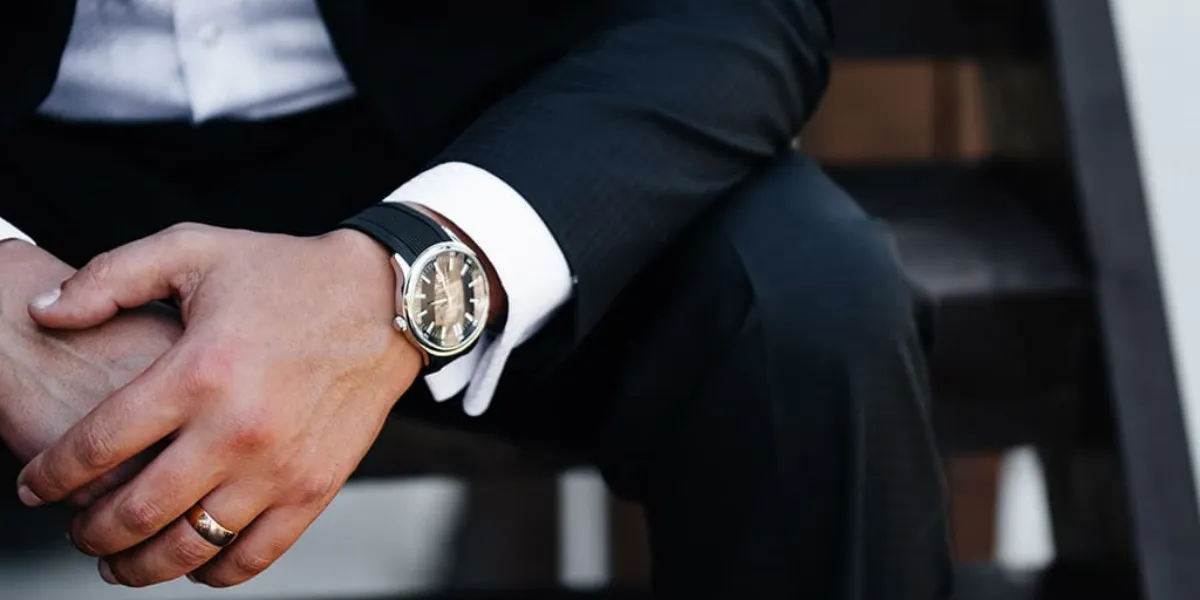
Buy Best white gold rolex watches for men
Do Fashion Rules Affect Hand Selection?
According to the principles of the fashion world, which hand should men wear their watches on? From a fashion perspective, there are no hard and fast rules for choosing the right hand. Fashion designers and stylists emphasize the compatibility of the watch with the overall style of the person rather than traditional rules. For example, in informal or sporty styles, large digital watches may look beautiful on either hand. However, in formal settings, wearing a watch on the left hand is still more common, as it is more in harmony with professional and social gestures.
How to Match Your Personal Style With Your Watch?
Matching your watch with your personal style is one of the important aspects of choosing a watch, as this accessory can act as a key complement to your appearance. When choosing a watch, you should first pay attention to your overall style; for example, if you have a formal and classic style, watches with a minimalist design, metal frame and leather strap are a good option. These watches pair well with suits or formal wear, creating a stylish and professional look. Conversely, if your style is sporty or casual, models with silicone or metal straps and bolder designs, such as sports or smartwatches, may be a better choice.
In addition to matching the watch to the type of outfit, its color and design details are also important. Watches in neutral colors, such as black, silver or gold, are highly versatile and can be matched with most outfits. If you are looking to create a focal point in your style, you can use watches with more vibrant colors or special details, such as engraved frames or intricate dials. Paying attention to details such as the size of the watch case is also essential; a large case may be suitable for a sporty style but will create an awkward look in a formal style.
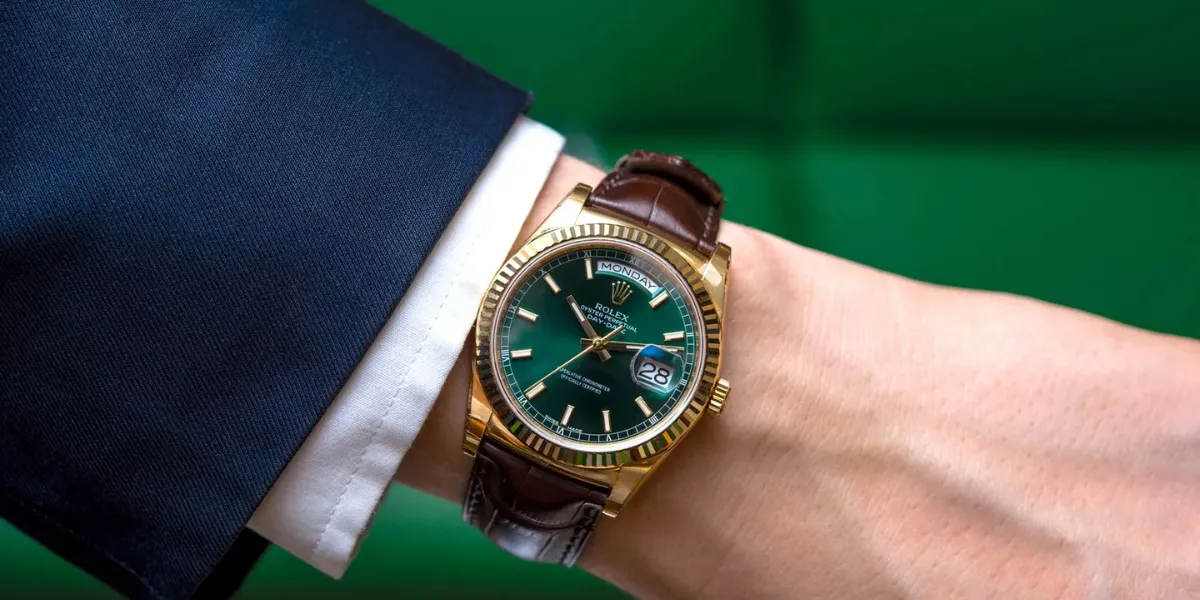
Buy Men Watches Online in Dubai
What Do Fashion Experts Think about Wearing a Watch?
What do fashion experts think about which hand men should wear their watch on? Fashion experts believe that a watch is more than a tool for time management and is an important part of a person’s personal style. They emphasize that the watch should coordinate with the overall style of clothing. Experts also point out that choosing the right size for a watch should be based on the individual’s wrist, as ill-fitting watches can not only be aesthetically unappealing, but may also affect the wearer’s comfort. Watches can also serve as a piece of art or an expression of one’s personality, and therefore should be chosen carefully. Ultimately, the use of a watch should be flexible with the individual’s taste and other details of their attire to perfectly complement their style.
Choosing the Right Side to Wear a Watch Based on Gender
While gender-specific norms for wearing watches have become less rigid, traditional practices still influence preferences. For men, watches are often worn on the left wrist, aligning with the assumption that most are right-handed. This tradition stems from a time when watches were primarily mechanical, and winding them required the use of the dominant hand. Women, on the other hand, have historically had more flexibility, with aesthetics sometimes dictating their choice of wrist. However, in modern times, practicality and personal comfort have overridden these gender norms, making it a matter of individual preference rather than convention.

Buy Best rolex women watches in dubai
Preventing Damage to the Watch by Choosing the Hand-Side
As someone who values both functionality and longevity in accessories, I believe choosing the right hand to wear a watch is essential to prevent unnecessary damage. Typically, the non-dominant hand is the preferred choice, as it is less active in daily tasks. For example, a right-handed person would wear their watch on the left wrist, reducing exposure to impacts, scratches, and general wear. This small but strategic decision can significantly extend the lifespan of your watch, especially for delicate or luxury timepieces.
5 Tips for Choosing Which Side Men Should Wear Watches
???? Wear It on Your Non-Dominant Hand: The general rule is to wear your watch on your non-dominant hand. This minimizes exposure to wear and tear during daily tasks and ensures better protection for your timepiece.
???? Consider the Crown Position: Most watches are designed with the crown on the right side, making adjustments easier when the watch is worn on the left wrist. Left-handed watches with crowns on the left side are ideal for right-wrist wearers.
???? Match Comfort with Functionality: Choose the wrist where the watch feels most comfortable and does not interfere with your activities. Whether typing, writing, or exercising, the watch should stay out of the way.
???? Factor in Style and Proportion: Balance your watch placement with other accessories, like bracelets or rings, to maintain a stylish and coordinated look. Ensure the watch fits your wrist properly for an elegant appearance.
???? Be Flexible for Different Situations: For fitness or smartwatch users, wearing the watch on the dominant hand may offer better tracking accuracy. Adjust your choice based on the watch’s purpose and specific activities.

FAQ – What Side do Men Wear Watches?