
How to Tell if a Luxury Watch is Overpolished
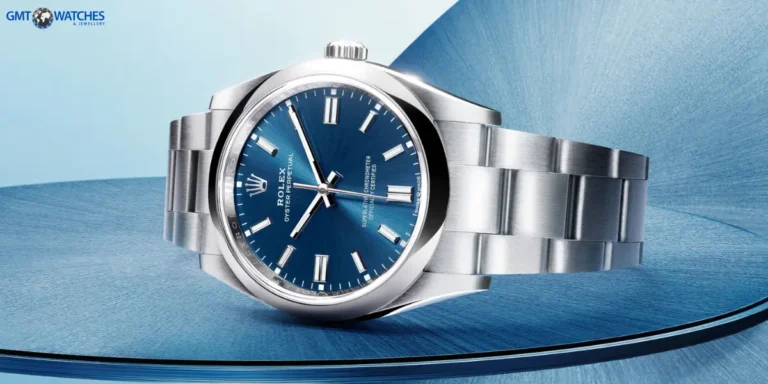
When people start looking at pre-owned luxury watches, they usually focus on obvious things first. The dial condition, the brand, the model, maybe the box and papers. All of those matter. But collectors tend to pay attention to something else that isn’t always obvious at first glance: the shape of the case.
Luxury watches are engineered with very precise geometry. The lines of the case, the angle of the lugs, the transitions between brushed and polished surfaces all follow a deliberate design language. When a watch leaves the factory, those details are crisp and very clearly defined.
Over time, though, watches go through servicing. Scratches are removed, surfaces are refinished, and the case is polished. Polishing itself isn’t a bad thing. It’s actually a normal part of maintaining a watch. The problem appears when the polishing becomes excessive.
Overpolishing slowly removes metal from the case. With enough polishing over the years, the original design begins to soften. Edges become rounded, surfaces lose their definition, and the watch no longer looks exactly the way it did when it was first produced.
For someone buying a pre-owned watch, understanding this detail can make a big difference.
Contents
Why Watches Get Polished
Luxury watches are meant to be worn. Even careful owners collect scratches over time. Desk edges, metal bracelets rubbing against surfaces, and daily use all leave marks on the case and bracelet.
During a standard service, watchmakers often refinish the exterior. The goal is simple: remove scratches and restore the watch’s original appearance.
A careful polish removes only a minimal amount of metal and keeps the geometry intact. The watch looks cleaner but still maintains its original structure.
However, polishing is essentially controlled abrasion. Every time the case is polished, a small amount of material is removed. If this happens too many times, the case gradually loses its sharp lines.
This is what collectors refer to as overpolishing.

The Most Common Signs of an Overpolished Watch
One of the easiest ways to evaluate a watch case is simply to study its edges and proportions.
Luxury watch cases are designed with clear, defined transitions between surfaces. When those transitions start to blur, it often indicates that the watch has been polished too aggressively.
Several visual clues can help identify this.
Rounded edges
Edges that were originally sharp may appear soft or curved. Instead of a clear line separating two surfaces, the transition looks smooth.
Thin or uneven lugs
Lugs can become thinner after repeated polishing. In some cases, they may also lose their original symmetry.
Weakened brushing
Brushed finishes can become faint or inconsistent if the case has been refinished multiple times.
Loss of crisp geometry
Certain Rolex watches are known for their precise shapes. When those shapes start to look slightly distorted, polishing is often the cause.
These changes are sometimes subtle, which is why collectors compare watches to reference photos or factory specifications.
How to Tell if a Luxury Watch is Overpolished
A pre-owned watch can look spotless and still be a weak buy. Overpolishing doesn’t affect the movement, but it can erase the sharp case lines that protect value and collector appeal. This is what to check, quickly and confidently.
Softened case edges
Factory edges are deliberate. Heavy polishing rounds them off and the case loses definition.
- Transitions between surfaces look blurred instead of crisp.
- Edge reflections feel “smooth” rather than sharply cut.
- Case lines look less structured, more generic.
Thinner, uneven lugs
Lugs often reveal polishing history. Metal removal changes thickness and symmetry over time.
- Lugs appear slimmer than reference photos for the same model.
- One lug may look slightly different from the others.
- Top edges feel rounded instead of crisp and flat.
Brushing that lost texture
Good brushing has direction and character. Over-refinishing makes it glossy or inconsistent.
- Brushed areas start looking shiny under normal light.
- The grain direction is faint, messy, or inconsistent.
- Contrast between brushed and polished surfaces fades.
Quick inspection checklist
The Lugs Often Tell the Story
If someone wants to quickly evaluate whether a watch has been overpolished, the lugs are usually the first place to look.
On many sports watches, the lugs are designed with straight lines and sharp angles. They give the watch its stance and presence on the wrist.
Repeated polishing can gradually soften those lines. Instead of appearing structured and defined, the lugs start to look slightly rounded.
Another clue is lug thickness. Because polishing removes metal, the lugs may appear thinner than they should be.
Collectors often compare both sides of the case. If one lug looks slightly different from the others, it may indicate uneven polishing in the past.
Case Finishing Can Reveal a Lot
Luxury watch cases usually combine different finishing techniques. Some surfaces are brushed, while others are mirror polished.
This contrast is intentional. It creates depth and highlights the design of the case.
When a watch has been overpolished, the separation between these finishes can become less distinct.
For example, brushed surfaces may start to appear slightly shiny. The directional grain of the brushing might also become less visible.
Polished areas may extend slightly beyond where they originally should be. This can blur the visual balance of the case.
A well-preserved watch maintains a clear contrast between finishes.
If the watch looks “too smooth” in photos, don’t guess. These four checks usually tell you what you need to know.
Edges
Sharp lines look rounded or blurred.
Lugs
Lugs look thinner or uneven side to side.
Brushing
Brushed areas turn glossy or lose direction.
Bezel
Teeth/edges look shallow or softened.
The Bezel and Case Lines
Bezels can also provide useful clues about polishing history.
Many luxury sports watches have very specific bezel shapes. The edges are meant to remain defined even after normal wear.
If those edges start to appear rounded or shallow, it may indicate that the bezel has been refinished multiple times.
On watches with serrated or toothed bezels, the teeth should remain clearly defined. If they appear smooth or softened, that is usually the result of heavy polishing.
Once these details are removed, they cannot easily be restored.
Why Collectors Care About Overpolishing?
For many buyers, the condition of the case plays a major role in the watch’s long-term value. Collectors often prefer watches that retain their original case proportions.
Even small details like the sharpness of a lug edge or the clarity of a brushed finish can affect desirability. This is especially true in the vintage watch market.
Older watches that still have strong case lines are often considered more attractive than examples that have been heavily refinished. Scratches and small marks are usually seen as normal signs of wear.
They can often be addressed carefully during servicing. Lost metal, on the other hand, cannot be replaced.
Because of that, collectors usually prioritize originality over excessive cosmetic restoration. So for Buy Luxury watches from Some brands like AP or Patek, we suggest you to valid shops like this one if you place in UAE.
You’re not judging “shine”. You’re judging geometry. If the case lost its sharpness, value usually follows.
1) Check the transitions
Look where brushed meets polished. On a healthy case, that line is clean and decisive. When it turns soft, wavy, or undefined, polishing is often the reason.
Simple Things to Check Before Buying a Pre-Owned Watch
When evaluating a watch, there are a few practical checks that can help identify whether the case has been polished too much.
- Compare the watch with official photos of the same model
- Look closely at the sharpness of the edges
- Examine the lugs for thickness and symmetry
- Check that brushed surfaces still show consistent texture
- Observe whether polished and brushed finishes remain clearly separated
- None of these checks require special tools. They simply involve careful observation.
Over time, as someone handles more watches, these differences become easier to recognize.
Quick Signs of an Overpolished Watch
When evaluating a pre-owned luxury watch, small case details reveal more than overall shine. These simple checks help identify whether a watch has been polished too aggressively in the past.
Soft Case Edges
If the edges of the case appear rounded instead of sharp, repeated polishing may have removed metal over time.
Uneven Lugs
Lugs should look symmetrical. Noticeable differences in thickness can indicate excessive refinishing.
Weak Brushed Finish
Brushed surfaces should show a clear directional texture. A glossy or faded look can signal overpolishing.
The Role of Professional Servicing
It is important to remember that polishing itself is not always a negative thing. When performed carefully by experienced watchmakers, it can restore a watch while preserving its original shape.
High-end service centers often follow strict guidelines to ensure that only minimal material is removed during refinishing.
The issue usually arises when polishing is done too frequently or without enough attention to the watch’s geometry.
Because of this, many collectors prefer watches that have not been polished excessively during their lifetime.
Final Thoughts
Understanding case condition is an important part of evaluating a luxury watch. While scratches and everyday wear are normal, the overall geometry of the case should remain intact.
Overpolishing gradually removes the details that define the watch’s design. Softened edges, thinner lugs, and weakened finishing are some of the most common signs.
For anyone interested in buying pre-owned watches, learning to recognize these details can help avoid watches that have lost some of their original character.
The more watches someone studies, the easier it becomes to see the difference between a well-preserved case and one that has been refinished too many times. Over time, those small details start to stand out, and they become an essential part of evaluating any luxury timepiece.
Read More:Rolex Left Handed Review



Gmt Watches Team
We are the GMT Watches Team, dedicated specialists and writers for GMTwatches. We focus on luxury watches, technical analysis, and providing clear, practical insights to help buyers make informed decisions.

Rashed Ebrahimi
I’m Rashed Ebrahimi, the owner of GMTwatches and a specialized writer for this website. I focus on luxury watches, technical analysis, and providing clear, practical insights to help buyers make informed decisions.